

Travel Insurance for Schengen Visa: Requirements, Costs, and How to Buy
Travel insurance for Schengen visa applications is not a nice-to-have. It is a legal requirement of the visa code, and the consulate will reject your application without a compliant policy. Whether you are flying from New York, London, Sydney, or Toronto, you need to show proof of coverage that meets specific minimums before a Schengen visa is stamped in your passport.
The good news is that this coverage is cheap, usually between $20 and $60 for a two-week trip, and you can buy it online in about ten minutes. The catch is that not every policy qualifies. A regular travel medical plan that covers your flight delay and lost bag may still fall short of what the Schengen rules demand.
This guide walks you through exactly what a Schengen-compliant policy must include, what it costs, which providers are worth your money, and the mistakes that get applications refused. We cover the 29 countries in the Schengen area, from France and Spain to Iceland and Estonia.
Why You Need Travel Insurance for a Schengen Visa
The Schengen visa code, specifically Regulation (EC) No 810/2009, makes medical travel insurance mandatory for anyone applying for a short-stay visa. The logic is simple: EU countries do not want visitors becoming a public burden if they get injured or fall ill mid-trip.
If you apply without this insurance, the consulate will simply send your file back. Even if you somehow got through, the border officer can ask to see your policy when you land in Paris or Frankfurt, and they can turn you around if it does not meet the mark.
Beyond the legal requirement, the coverage is genuinely useful. A night in a European hospital for a tourist without insurance routinely runs into the thousands of euros. Emergency surgery, ambulance transport, or a medical evacuation back home can hit six figures. A $40 policy is a small price against that.
One more thing worth knowing: many policies that U.S. or U.K. banks include with premium credit cards do not satisfy the Schengen requirement unless they document the €30,000 minimum and repatriation. Do not assume your card benefit covers you. Check the fine print before you book the visa appointment.
What a Schengen Visa Insurance Policy Must Include
The requirements are specific, and you should compare any quote against them line by line. A compliant policy must:
- Cover at least €30,000 in medical expenses (some countries, such as France, require more).
- Be valid in all Schengen member states, not just your main destination.
- Cover the entire duration of your stay, from your arrival date to your departure date.
- Include emergency medical treatment and hospitalization.
- Include repatriation for medical reasons back to your home country.
- Include repatriation of remains in the event of death.
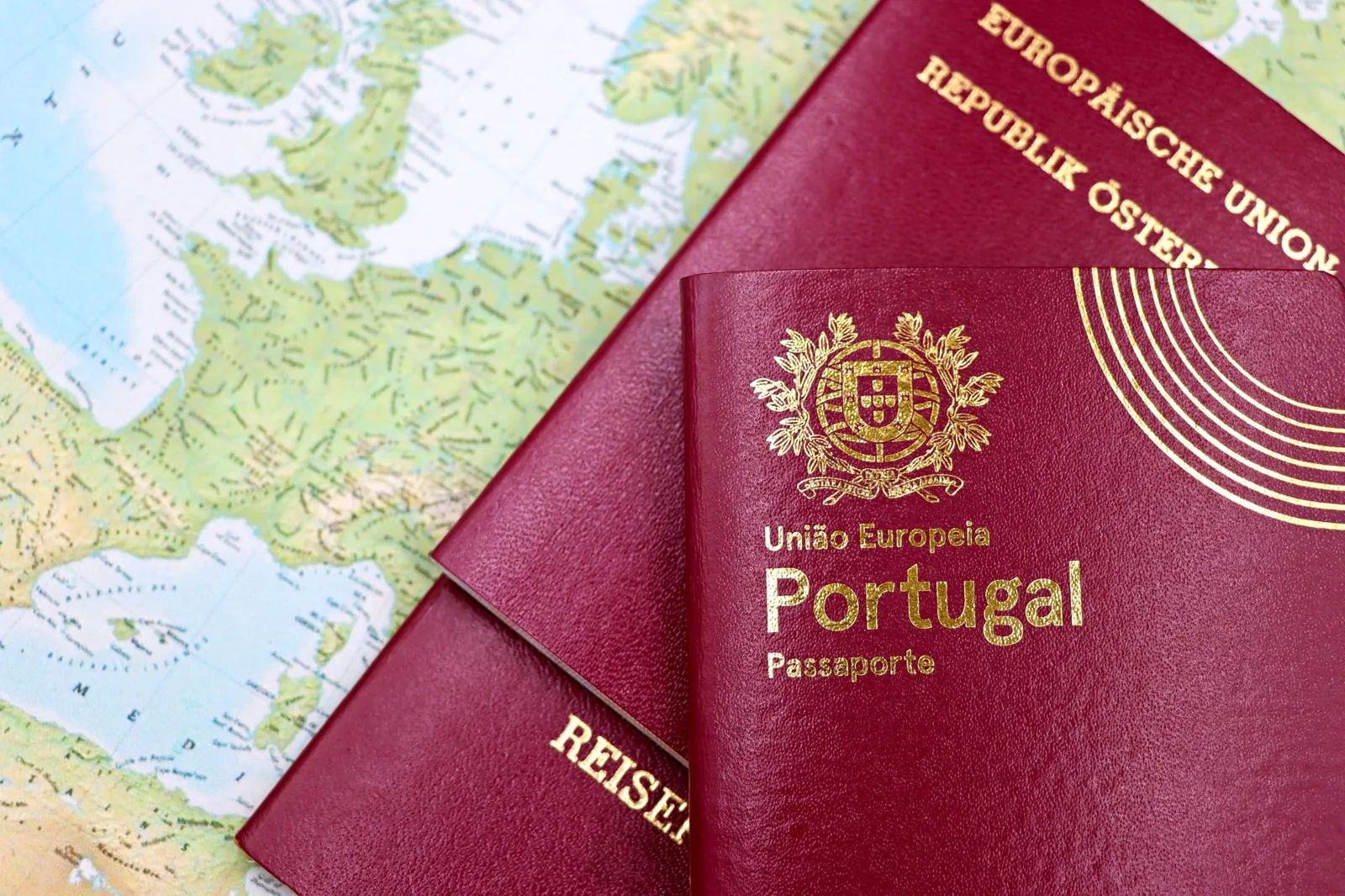
A few European nations ask for more than the baseline. France commonly requires €30,000, Spain looks for €30,000, and some embassies want coverage of at least €50,000 or dollar-equivalent amounts that fluctuate with exchange rates. When in doubt, buy €50,000 or $50,000 of coverage. It usually costs only a few dollars more and removes the risk that an officer decides your policy is too thin.
Also note the insurer must be prepared to pay the medical provider directly in an emergency, rather than reimbursing you months later. Most dedicated Schengen policies from companies like AXA and Europ Assistance are designed for this. A random international medical plan may not be.
How Much Does Schengen Travel Insurance Cost?
Schengen insurance is one of the cheapest parts of a Europe trip. Prices depend mainly on your age, the length of your stay, and whether you pick a bare-bones compliant policy or something with extra benefits like trip cancellation and baggage protection.
Here is a realistic picture of what two-week policies cost for a traveler in their 30s:
| Factor | Budget Policy | Full-Coverage Policy |
|---|---|---|
| Typical price (14 days) | $20–$35 | $45–$70 |
| Medical coverage | €30,000–€50,000 | €100,000+ |
| Trip cancellation | Often not included | Usually included |
| Baggage loss/delay | Limited or none | Included |
| Pre-existing conditions | Usually excluded | Some cover stable conditions |
| Best for | Minimum visa compliance | Peace of mind on a longer or pricier trip |
Older travelers pay more. A policy for a 65-year-old commonly costs two to three times what a 30-year-old pays, because the medical risk is higher. If you are traveling with a health condition, read the “medical conditions” section of the policy before you buy — and see our guide to travel insurance for heart conditions if that applies to you.
If you travel to Europe more than once or twice a year, an annual multi-trip policy can work out cheaper per trip than buying single-trip coverage every time. We break down the math in single trip vs annual travel insurance.
Best Travel Insurance Providers for Schengen Visas
You do not need a specialist travel agent to buy this. These are the providers travelers and visa agencies recommend most often, along with what they are known for.
AXA Schengen
AXA is the name most embassies mention, partly because it is a massive European insurer and partly because it sells three clean tiers built specifically for visas. Prices start around €22 for a 10-day “Low Cost” policy that still meets the €30,000 requirement. The mid and top tiers add higher cover and trip-cancellation benefits. The main drawback: coverage for older travelers gets expensive quickly.
Europ Assistance
Europ Assistance is another long-standing choice, popular because it offers direct billing with hospitals and a straightforward €30,000 minimum plan. It tends to be a few euros cheaper than AXA for the same tier and is widely accepted at French and German consulates.
Allianz Travel (OneTrip Prime / Emergency Medical)
Allianz is familiar to U.S. and U.K. travelers. Its standard trip plans include emergency medical that exceeds the Schengen minimum, plus solid trip-cancellation and baggage benefits. Because you are buying a general travel plan rather than a visa-specific one, double-check that the policy letter states the €30,000 (or higher) coverage and repatriation clearly — some embassies ask for those numbers in writing.

For U.S. residents, Seven Corners, IMG, and Tin Leg are also reliable options with dedicated Europe plans. Whichever you choose, do two things before you pay: confirm the €30,000+ medical coverage in writing, and make sure the confirmation letter you receive is one you can print and hand to the consulate as proof.
How to Buy Travel Insurance for a Schengen Visa
The process is quick, but the order matters. Here is the sequence we recommend:
- Confirm your travel dates for the entire stay, including arrival and departure days.
- Pick your destination country and check whether it requires more than the €30,000 minimum.
- Compare two or three quotes from the providers above, matching cover levels, not just price.
- Pay and download the confirmation letter. This is the document the consulate needs, not the marketing page.
- Print the “certificate of insurance” and include it in your visa application file.
Buy after your flights are booked but before your visa appointment. If your itinerary changes, most providers let you adjust the dates for free as long as the policy has not started. Do not wait until the day before the interview — if a payment fails or the letter takes a few hours to arrive, you lose your slot.
Common Mistakes That Get Applications Rejected
Most refusals tied to insurance come down to a handful of avoidable errors. Watch for these:
- Coverage below €30,000. A $25,000 medical policy is not enough, no matter how good the rest of the benefits are.
- Wrong travel dates. The policy must cover every single day of the trip, including the day you arrive and the day you leave.
- Only covering one country. If your itinerary includes Italy and then a train into Switzerland, the policy must be valid across the whole Schengen area.
- A policy from a card or credit union that does not spell out the Schengen minimums in writing.
- Buying trip protection without medical coverage. “Trip cancellation only” plans do not count; medical cover is the requirement.
If you are still unsure whether a policy qualifies, show it to a visa agency or read the sample letter before you pay. Ten minutes of checking beats a refused application and having to rebook your entire appointment.
Frequently Asked Questions
Is travel insurance for a Schengen visa mandatory?
Yes. Under Schengen visa rules, applicants must show proof of medical travel insurance covering at least €30,000, valid in all member states, for the full length of the stay. Without it, the visa will be refused.
How much travel insurance do I need for a Schengen visa?
The minimum is €30,000 in medical coverage plus repatriation of remains. Some countries ask for more, so €50,000 is the safer buy and rarely costs more than a few extra dollars.
Can I use my credit card travel insurance for a Schengen visa?
Sometimes, but only if the card provider issues a written certificate stating the medical coverage meets the €30,000 minimum and is valid across all Schengen states. If the letter does not say that, the embassy will not accept it.
How long should my Schengen travel insurance last?
It must cover your entire trip, from the date you enter the Schengen area to the day you leave. Match the policy dates to the full itinerary, not just the dates on your main flight.
Does Schengen insurance cover pre-existing conditions?
Most budget Schengen policies exclude pre-existing conditions. If you have a stable condition and need coverage for it, look for a plan that explicitly covers it — see our guide to travel insurance for heart conditions for one example of how this works.
The Bottom Line
Travel insurance for Schengen visa applications is cheap, mandatory, and easy to get right once you know the rules. Buy at least €30,000 of medical cover — €50,000 if you want zero doubt — make sure it is valid across the entire Schengen area for your full travel dates, and keep the printed certificate with your visa file.
A compliant policy typically costs between $20 and $60 for a two-week trip, which is a rounding error next to the value of the visa it reveal. Compare AXA, Europ Assistance, and Allianz side by side, check the fine print, and you will have one less thing to worry about at the interview.
If you are planning a longer stay, working abroad, or moving to Europe, a short-stay policy will not fit. Read our guide to international health insurance for expats to see what full international coverage looks like. For current pricing benchmarks and more detail on travel medical plans, check the comparison guides at NerdWallet’s travel insurance hub and The Points Guy’s travel insurance coverage. Safe travels.