
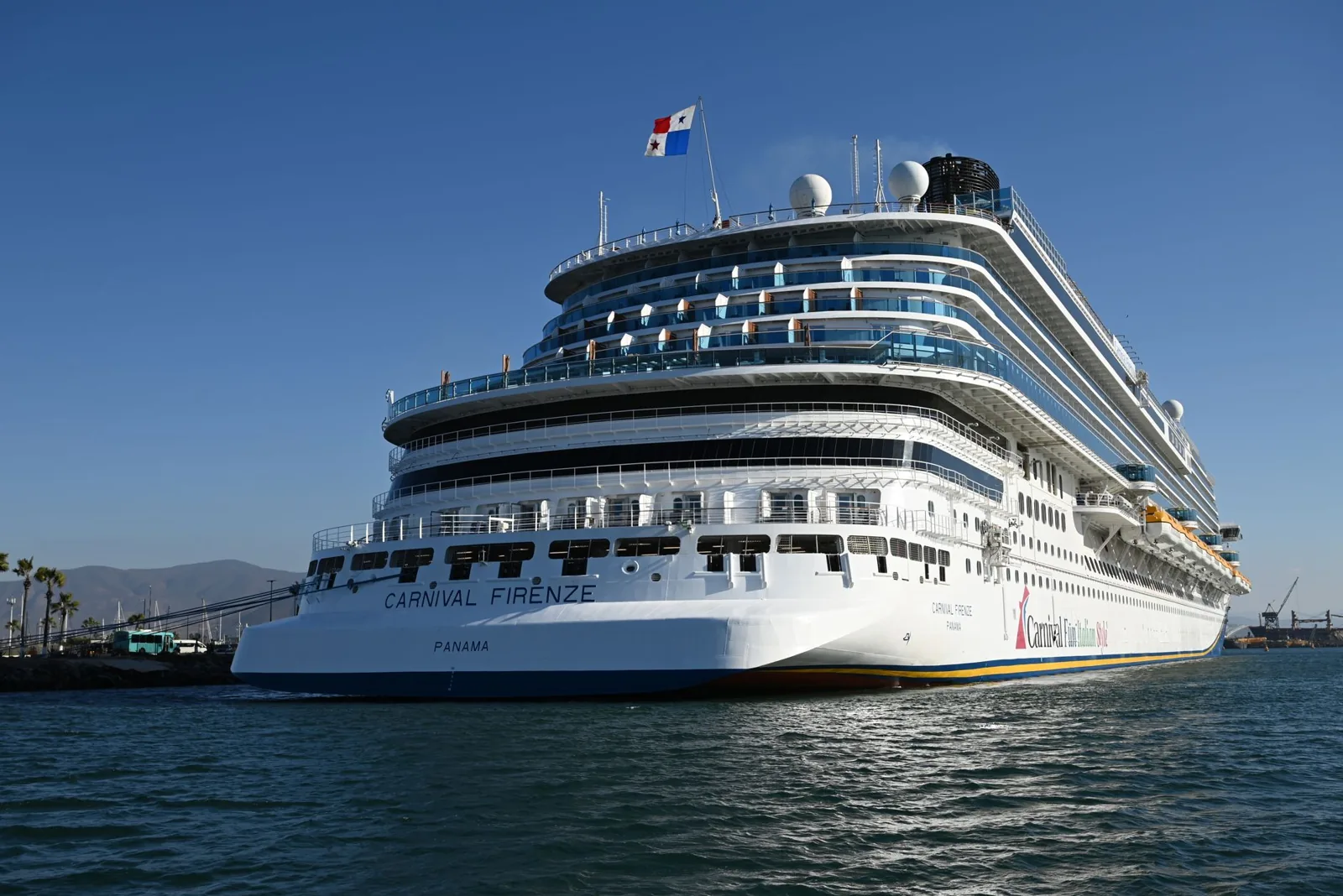
Cruise Insurance Carnival: Is Carnival Vacation Protection Worth It?
When you book a Carnival cruise, the booking flow nudges you to add one thing before you check out: cruise insurance carnival sells under the name Carnival Vacation Protection. It shows up as a line item next to gratuities, shore excursions, and drink packages, and it is easy to click through without thinking about what you are actually buying.
That would be a mistake. Cruise travel has failure points that ordinary trips do not. Your ship can leave a port without you, evacuate you by helicopter from open water, or skip a port you paid to visit. This guide breaks down exactly what Carnival’s plan covers, what it costs, and when a third-party policy makes more sense.
What Is Carnival Vacation Protection?
Carnival Vacation Protection is the trip insurance and travel assistance program sold directly by Carnival Cruise Line at the time of booking. It is underwritten by Nationwide, and it bundles several coverages into one plan: trip cancellation, trip interruption, emergency medical expenses, emergency medical evacuation, baggage loss, baggage delay, and travel delay.
There are two tiers you can add to your booking:
- Carnival Vacation Protection (standard) — covers trip cancellation at 100% of the nonrefundable trip cost, trip interruption at 150%, emergency medical expenses up to $10,000, medical evacuation up to $30,000, and baggage protection up to $1,500.
- Carnival Vacation Protection with Cancel For Any Reason (CFAR) — everything in the standard plan, plus the right to cancel for any reason and recover up to 75% of the nonrefundable trip cost, as long as you cancel at least 48 hours before the scheduled departure.
The standard plan is what most cruisers end up with, simply because it is the default. The CFAR upgrade costs noticeably more and has to be purchased within a set window, usually within 10 to 21 days of making your initial deposit.
What “100% cancellation coverage” really means
The fine print matters here. Carnival’s cancellation benefit reimburses the nonrefundable portion of your trip cost for covered reasons such as illness, injury, death of an immediate family member, jury duty, or certain weather events that delay or cancel your trip. It does not pay you back for refundable deposits, and it does not cover every reason you might want to cancel — that is what the CFAR upgrade is for.
What Cruise Insurance Carnival Does and Doesn’t Cover
Cruise-specific risks are the whole reason to consider a Carnival policy rather than a generic travel plan. Here is how the coverage maps to the things that actually go wrong at sea.
Covered by Carnival Vacation Protection
- Shipboard illness or injury. The ship’s medical center charges out of pocket; the plan’s emergency medical benefit will reimburse those bills up to the limit.
- Medical evacuation. If you need an airlift from the ship or a foreign port, evacuation can run $25,000 to well over $100,000. The $30,000 evacuation limit is meaningful but can fall short on a truly remote itinerary.
- Missed connection at the port. If a covered delay makes you miss the ship’s embarkation, you can be reimbursed for catch-up expenses.
- Baggage loss, damage, or delay. Lost luggage and, in some versions, reimbursement for essentials you buy while your bags catch up.
- Itinerary change and missed shore excursions. Under some versions, if the ship skips a scheduled port, you can claim a nominal reimbursement.
Not covered (or limited)
- Routine or preventive medical care before the trip is not a covered reason to cancel.
- Pre-existing conditions are covered only if you buy the plan early and meet the waiver terms.
- Terrorism, and “fear of travel” more broadly, generally fall outside the standard plan.
- Any cancellation reason outside the named list unless you bought the CFAR tier.
That last gap is the single biggest source of buyer frustration. Travelers assume “insurance” means “cancel for anything.” It does not — unless the CFAR checkbox was ticked and the conditions were met.
How Much Does Carnival Vacation Protection Cost?
Carnival prices its plan per person, and the premium scales with the cruise fare and length rather than a flat fee. As a rough rule, expect to pay somewhere in the ballpark of 7% to 9% of your cruise fare for the standard plan, with the CFAR upgrade adding a meaningful premium on top.
Put in real numbers:
- A 4-night Bahamas cruise with a fare around $400 per person typically carries a protection premium of roughly $39 to $49 per person.
- A 7-night Caribbean cruise at $900 per person typically runs $65 to $85 per person for the standard plan.
- The CFAR version often adds roughly 40% to 60% on top of the standard premium on the same booking.
Third-party cruise insurance — sold through aggregators and insurers independent of the cruise line — frequently undercuts Carnival’s price on comparable coverage, especially for medical limits. It is worth checking both before you commit, which is exactly why the comparison below exists.
Carnival Vacation Protection vs. Third-Party Cruise Insurance
Because cruise insurance is one of the few travel products where the cruise line is a reseller rather than the insurer, comparing is straightforward. Here is how the two Carnival tiers stack up against a typical independent policy.
| Factor | Carnival Standard | Carnival CFAR | Third-Party Cruise Policy |
|---|---|---|---|
| Trip cancellation | 100% of trip cost | 100% of trip cost | Usually 100% |
| Cancel For Any Reason | Not included | Up to 75%, cancel 48h+ before | Optional add-on on some plans |
| Emergency medical | $10,000 | $10,000 | Often $50,000–$250,000 |
| Medical evacuation | $30,000 | $30,000 | Often $100,000–$1,000,000 |
| Price | ~7–9% of fare | Standard + 40–60% | Varies; often cheaper for higher limits |
| Purchase window | Any time before final payment | Within ~10–21 days of deposit | Any time before departure |
The pattern is consistent: Carnival’s plan is decent for cancellation and convenience, but its medical limits are thin compared with what independent insurers sell. A $10,000 medical limit and a $30,000 evacuation cap look small the moment a helicopter or international hospital bill lands.
When Carnival Vacation Protection Is Worth It
There are clear cases where buying directly from Carnival is the right call.
You want one-click convenience. The plan is already attached to your booking, priced correctly, and there is nothing to fill out or compare. For a short, inexpensive cruise, that simplicity has real value.
You care mainly about cancellation. The 100% cancellation and 150% interruption benefits are competitive, and Carnival’s process for filing is baked into your booking record rather than a separate policy number.
You might cancel for a non-covered reason. The CFAR tier — reimbursing 75% if you cancel more than 48 hours out — is genuinely useful if your plans are shaky. If you want a deeper look at how this type of coverage works across the industry, read our guide on /cancel-for-any-reason-travel-insurance/.
You have a pre-existing condition locked in early. Bought within the waiver window, both tiers can cover pre-existing conditions. If you or a travel companion has a condition like diabetes or a heart condition, getting that waiver right matters more than saving $20 on the premium — see our pieces on /travel-insurance-for-diabetics/ and /travel-insurance-for-heart-conditions/.
When a Third-Party Policy Makes More Sense
You care about medical limits. This is the big one. Carnival’s $10,000 medical and $30,000 evacuation caps are frequently outclassed by standalone cruise policies that offer $100,000 or more in evacuation coverage for a similar or lower price. NerdWallet’s cruise insurance breakdown does a good job explaining why evacuation limits are the number to watch.
You booked flights and hotels separately. Carnival’s plan is built around the cruise fare. If your airfare and pre-cruise hotel are booked independently, an independent policy that covers the entire trip total — not just the cruise line’s portion — protects more of your money.
You want ongoing trip insurance, not a one-off. If you take more than one trip a year, an annual plan may beat repurchasing Carnival’s protection for every sailing. Our comparison of /single-trip-vs-annual-travel-insurance/ walks through the math.
You are doing a remote or expedition-style itinerary. Antarctica, the Galápagos, or long repositioning cruises put you far from hospitals. On those trips, a $30,000 evacuation cap is a rounding error next to the real cost of an airlift.
For current rates and deeper guidance, the research team at NerdWallet keeps regularly updated references worth bookmarking.
Frequently Asked Questions
Is cruise insurance worth it on a Carnival cruise?
For most travelers, yes — but the value depends on what you are protecting. If your main worry is canceling without losing your fare, Carnival Vacation Protection does that well. If your worry is a medical emergency at sea, an independent policy with higher evacuation and medical limits is usually the stronger buy.
Can I buy Carnival Vacation Protection after my final payment?
You can add the standard plan up to the time of final payment on most bookings. The CFAR tier, however, must be purchased within roughly 10 to 21 days of your initial deposit, so the “cancel for any reason” option disappears quickly if you wait.
Does Carnival insurance cover me if I miss the ship?
Under covered circumstances, yes — the plan can reimburse reasonable expenses to catch up with the ship. But the delay that caused you to miss embarkation has to be a covered reason, so a late start caused by your own oversleeping will not qualify.
Does Carnival cover pre-existing medical conditions?
Carnival’s plans can cover pre-existing conditions, but only when the plan is purchased within the required window and all waiver conditions are met. Buy late, and a pre-existing condition will likely be excluded.
What is the difference between the standard plan and CFAR?
The standard plan reimburses cancellations only for listed, covered reasons. The CFAR (Cancel For Any Reason) plan reimburses up to 75% of your nonrefundable trip cost if you cancel for literally any reason, provided you cancel at least 48 hours before departure — and it costs considerably more.
The Bottom Line
Carnival Vacation Protection is a perfectly reasonable product, and for a short, cheap cruise it is often the simplest way to protect your trip. Its cancellation benefits are solid, the CFAR tier is a genuine upgrade, and everything lives inside your Carnival booking where it is easy to file a claim.
But the plan’s medical and evacuation limits are thin, and third-party cruise insurance routinely beats it on those numbers for a comparable price. Before you tick the box at checkout, spend five minutes getting a quote from an independent insurer and compare the evacuation limit, the medical limit, and the total price side by side. Whatever you choose, do not sail without coverage — the one cost you should never gamble on is the airlift home.