
Travel Insurance for Diabetics: Coverage, Cost, and How to Choose
Diabetes should never stop you from traveling. But it does change how you plan a trip, and it absolutely changes what you need from a travel insurance policy. Travel insurance for diabetics isn’t a separate product you hunt down under some niche menu — it’s standard travel insurance chosen carefully, with your condition declared up front and your specific risks covered in writing.
The stakes are concrete. A lost insulin pump can cost $6,000 to $8,000 to replace out of pocket. A diabetic emergency abroad, from severe hypoglycemia to diabetic ketoacidosis, can run into the tens of thousands of dollars once you factor in a hospital bed, labs, and, in the worst case, medical evacuation. The right policy turns that from a financial disaster into a manageable claim. The wrong one leaves you paying for it.
This guide walks through what travel insurance for diabetics should include, how pre-existing condition coverage actually works, and what a policy realistically costs. Use it to buy with confidence instead of guessing.
Why Travel Insurance for Diabetics Is Different
Standard travel insurance covers the same core things for everyone: trip cancellation, trip interruption, emergency medical care, and medical evacuation. The difference for diabetics is the fine print.
Most policies exclude pre-existing conditions by default. If you don’t disclose diabetes when you buy, and you then have a hypoglycemic episode that lands you in a clinic in Barcelona, the insurer can deny the claim on the grounds that it stems from a condition you had before the trip. Disclosing it up front and buying a policy with a pre-existing condition waiver is the single most important move you can make, and it costs little to nothing extra.
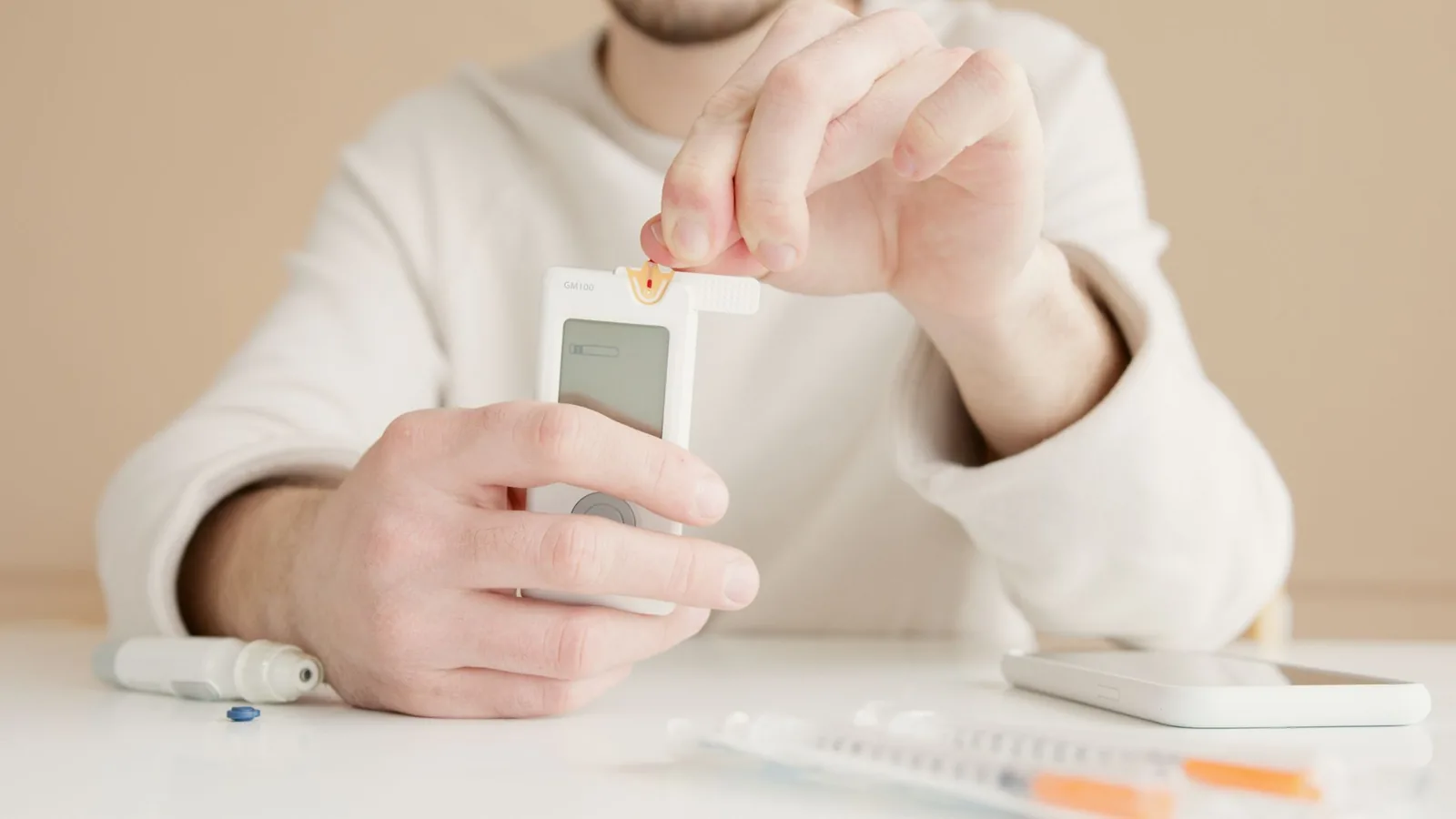
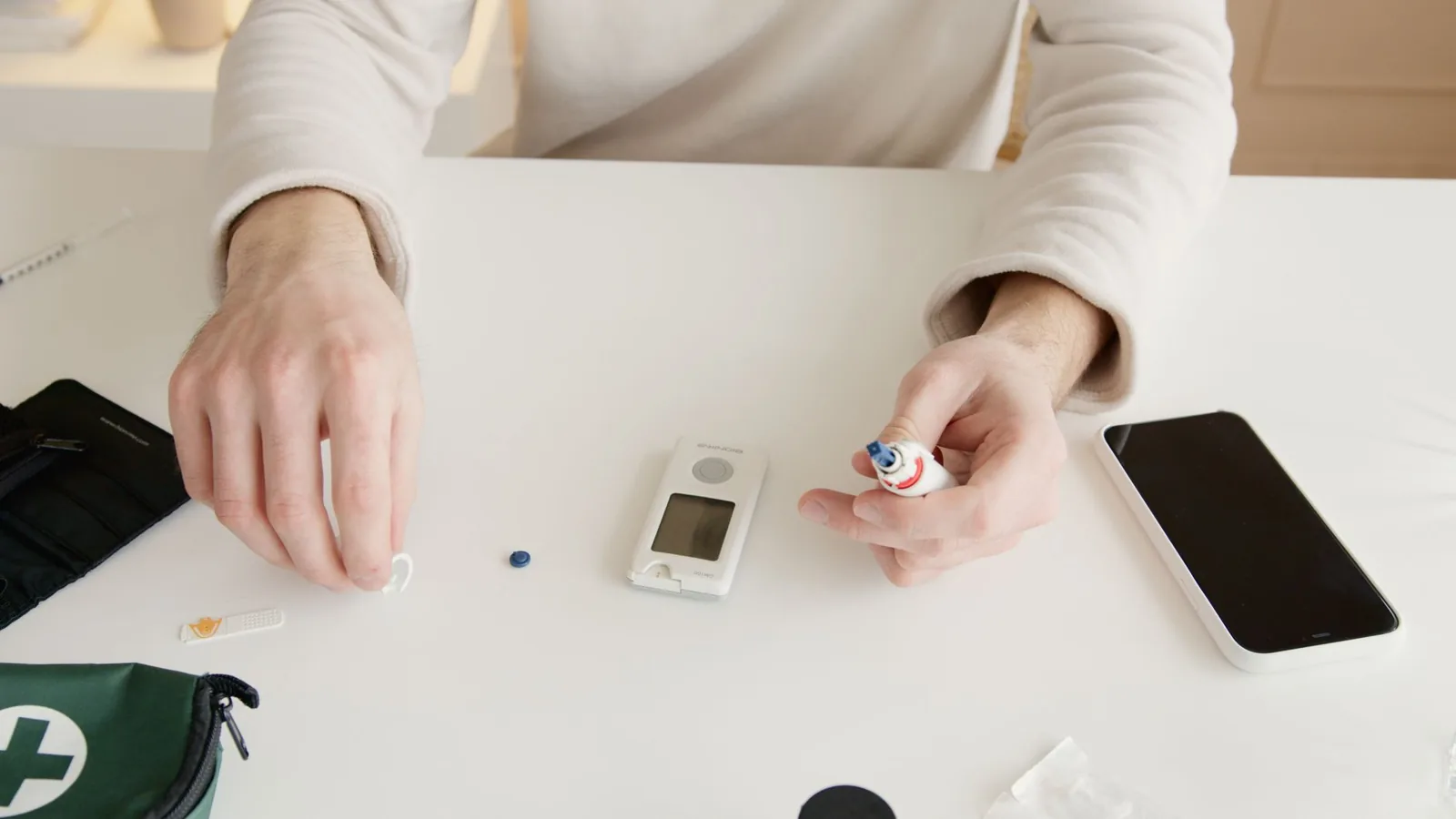
There’s also the medication question. Diabetics travel with supplies that are both fragile and vitally important: insulin that must stay refrigerated, test strips, continuous glucose monitors (CGMs), pumps, needles, and syringes. A good policy covers lost, stolen, or damaged medication and the cost of replacing it fast. A bare-bones one may not.
What a Good Policy Should Cover
Not all travel insurance for diabetics needs is created equal. Here’s the checklist to run against any policy before you pay.
Emergency Medical and Hospitalization
This is the foundation. Look for at least $50,000 in emergency medical coverage for a short trip, and $100,000 or more if you’re traveling to a high-cost destination like the United States, Japan, or Switzerland, where a single emergency room visit easily tops $10,000. For a cruise or a remote destination, medical evacuation coverage of $250,000 or more matters more than the medical line itself.
Pre-Existing Condition Waiver
This is the part that actually protects you. A pre-existing condition waiver means the insurer agrees to cover treatment related to diabetes as long as you meet a few conditions: you buy the policy within the specified window after your first trip payment (often 10 to 21 days), you’re medically stable when you buy, and you are fit to travel when you depart. Each insurer defines “stable” differently, so read it.
Medication, Supplies, and Equipment
Verify that the policy covers lost, delayed, stolen, or damaged medical equipment and medication, including insulin, CGMs, and pumps. Some policies separate this out under baggage coverage; others fold it into medical. Either way, get it in writing, because replacing a pump abroad is neither fast nor cheap.
Trip Cancellation and Interruption
Diabetes flares up unpredictably. If you land in the hospital for a complication right before departure, trip cancellation coverage refunds your prepaid, non-refundable costs. Trip interruption covers you if you have to cut the trip short and return home. These pay out only for covered reasons, which the pre-existing waiver keeps eligible.
How Pre-Existing Conditions Work for Diabetics
The term “pre-existing condition” scares a lot of travelers, so let’s make it plain. Under most policies, a pre-existing condition is any injury, illness, or medical condition you had symptoms of, were diagnosed with, or received treatment for during the “look-back period” — typically the 60 to 180 days before you buy the policy.
Diabetes, being a chronic condition, almost always qualifies. Without a waiver, the insurer excludes it. With a waiver, and if you meet the eligibility rules, the insurer treats a diabetic emergency the same as any other new medical event.
Three rules decide whether you qualify for the waiver on most policies:
- Buy early. You usually need to purchase the policy within 10 to 21 days of making your first trip deposit, such as the flight or cruise booking.
- Be stable. Your diabetes must be under control with no recent changes to treatment or medication, and no hospitalizations from complications during the look-back period.
- Be fit to travel. You must be medically able to travel on the day you purchase the policy and the day you leave.
If you miss the early window, don’t assume you’re out of luck. Some insurers offer a pre-existing conditions plan that you can add later, particularly through “cancel for any reason” (CFAR) products and specialized providers such as Trawick International, Tin Leg, or Seven Corners. The cost goes up, but the protection can still be worth it for an expensive trip.
How Much Travel Insurance for Diabetics Costs
Travel insurance generally costs between 4% and 10% of your total non-refundable trip cost, and for most people it lands around 5% to 7%. Adding a pre-existing condition waiver doesn’t usually add much if you buy within the early window — often nothing, or a modest 10% to 20% bump on the medical portion.
To give you real numbers: a 45-year-old planning a $5,000, 10-day trip to Italy might pay roughly $180 to $350 for a standard comprehensive policy. A 65-year-old on a $6,000, 14-day trip to the U.K. could pay $350 to $600, with age being the biggest single factor. A cruise with higher cancellation risk and longer duration pushes the premium to the higher end of the range.
As a general rule, the more your trip costs and the older you are, the more the premium rises. Diabetes alone typically doesn’t double your rate — but letting the waiver lapse while keeping diabetes undeclared will cost you the entire claim.
How to Choose: Comparing Policy Types
The table below compares the three policy styles most relevant to diabetics, so you can see the trade-offs at a glance.
| Factor | Standard Comprehensive Plan | CFAR Add-On | Pre-Existing Conditions Plan |
|---|---|---|---|
| Pre-existing coverage | Only with waiver, bought early | Varies by insurer | Built in, including diabetes |
| Purchase window | Usually 10-21 days from first deposit | 10-21 days for full CFAR benefit | More flexible, can buy later |
| Cost vs. base plan | Low, often +$0 for waiver | Roughly +40% to 50% on premium | Higher base premium |
| Cancellation reasons | Named, covered reasons only | Any reason, ~50-75% refund | Named reasons, broader |
| Best for | Most travelers who buy early | Refund flexibility, expensive trips | Those who missed the window or have complications |
For most diabetics who book far in advance, a standard comprehensive plan bought within the early window and carrying a pre-existing condition waiver is the best value. If your trip is expensive or your plans are fluid, a CFAR add-on from providers like Seven Corners or Travelex adds real flexibility. And if your diabetes is less stable or you missed the early window, a dedicated pre-existing conditions plan is where you should look.
Practical Steps to Take Before You Fly
Insurance is only half the job. The other half is preparation that keeps you from needing it.
Get a doctor’s note. A dated letter confirming your diagnosis, your medication list, and that you’re medically fit to travel smooths security checks and helps if you need care abroad. Carry it in print and on your phone.
Pack double your needs. Bring at least twice the insulin, test strips, and pump supplies you expect to use, split between your carry-on and a checked bag. Never check all your diabetes supplies — checked luggage gets lost, and insulin can freeze in a cargo hold.
Preserve the cold chain. Use a medical-grade insulated pouch with gel packs, not ice, and never leave insulin in a hot car or a hold bag. After opening, most insulin stays stable at room temperature for 28 days, but check your specific product.
Know the local language for it. Learn the words for “diabetes,” “insulin,” and “I need a doctor” in the local language, and carry a medical ID. In an emergency, being understood fast matters more than anything else.

Frequently Asked Questions
Does travel insurance for diabetics cost more?
Usually not by much. The pre-existing condition waiver is often free or a small add-on if you buy within 10 to 21 days of your first trip deposit. Age and trip cost affect your premium far more than a well-managed diabetes diagnosis.
Will insurance cover my insulin if my luggage is lost?
Yes, if your policy includes baggage coverage for lost or damaged medical equipment and medication. Confirm before buying, because not all policies treat prescription medication the same. Always carry a spare in your hand luggage regardless.
Is diabetes considered a pre-existing condition?
Yes. Diabetes is a chronic condition, so it falls under the pre-existing condition definitions of nearly every travel insurer. That’s exactly why you need the waiver — without it, a diabetes-related hospital visit abroad likely won’t be covered.
What if I have other conditions, like heart disease?
The same pre-existing logic applies to each condition you declare. Be honest about everything — undisclosed high blood pressure or heart disease can void an entire claim. If you also live with a heart condition, read our guide to travel insurance for heart conditions.
When should I buy travel insurance for diabetics?
As soon as you make your first trip payment. Buying within the 10-to-21-day window is what reveal the pre-existing condition waiver on most plans, so timing your purchase is just as important as the plan you pick.
The Bottom Line
Travel insurance for diabetics comes down to three decisions: declare your condition up front, buy early enough to secure a pre-existing condition waiver, and verify that your policy covers medication loss and emergency care. Do those three things and you’re covered for the scenarios that actually threaten a trip.
Don’t overpay by adding CFAR you don’t need for a $2,000 weekend, but don’t skimp on medical limits for a big international trip either. If you’re not sure whether a single trip or a multi-trip annual plan makes more sense, compare them in our guide to single trip vs. annual travel insurance. And if flexibility on refunds matters to you, see whether cancel for any reason travel insurance is worth the extra cost.
Book the trip. Manage your condition the way you already do. Buy the right coverage early, and clear the runway for an ordinary, uneventful, wonderful vacation — which is exactly what every diabetic traveler deserves.