
Travel Insurance for High Blood Pressure: Coverage, Costs, and How to Buy
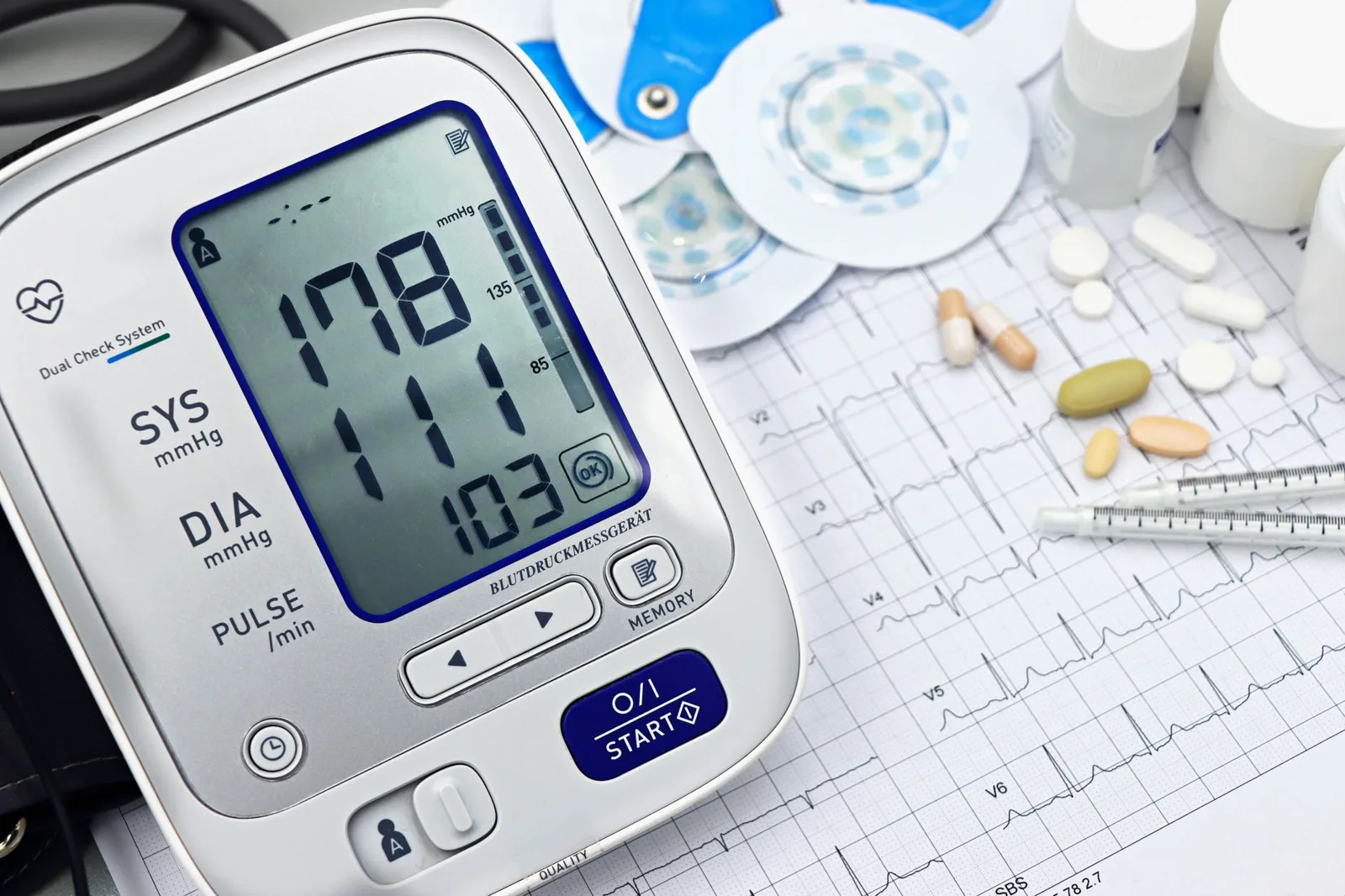
High blood pressure is one of the most common conditions travelers manage, and one of the most misunderstood when it comes to insurance. The reassuring news is that travel insurance for high blood pressure is widely available, and a well-controlled reading on your latest medical records will almost never stop you from getting covered.
The catch is in the details. Insurers treat hypertension as a pre-existing condition, which means how you answer the medical screening questions at checkout determines both your price and whether a related emergency would actually be paid. Rush through the questionnaire, and you can end up with a policy that quietly excludes the very risk you bought it for.
This guide walks through how insurers look at high blood pressure, what a good policy should cover, realistic price ranges, and the questions to ask before you hand over your card.
How High Blood Pressure Affects Your Travel Insurance Policy
Most travel insurance providers screen for pre-existing conditions using a short health questionnaire instead of asking for a full physical or medical records. For hypertension, that usually means a handful of yes-or-no questions about your diagnosis, medication, and whether you have been hospitalized for it recently.
The key concept is a lookback period. In the United States, many plans use a 60- to 180-day window before the purchase date. If your blood pressure was stable, well controlled, and required no change in treatment during that window, the insurer typically covers it as a standard part of the policy. If you were hospitalized, changed your dosage, or started a new medication in that period, the condition may be excluded or trigger a higher premium.
That distinction matters more than most travelers realize. A “general exclusion” policy costs less but will not pay for any claim the insurer traces back to hypertension — including a heart episode abroad. A policy with a pre-existing conditions waiver costs a bit more and covers those claims. For a condition as widely linked to stroke, heart attack, and kidney problems, the waiver is usually worth the money.
Will Doctors’ Notes and “Stability” Decide Your Rate?
You will rarely need to submit actual medical records for a routine hypertension declaration. Instead, insurers ask you to self-certify stability: have you, in the lookback period, been treated for, hospitalized due to, or prescribed new medication for high blood pressure?
Be honest, but read each question literally. “Stable” generally means no new symptoms, no diagnosis change, no dosage adjustment, and no hospital visits. Taking the same blood pressure pill at the same dose for years is exactly the profile insurers like, and it usually means no extra premium at all.
There are cases where more documentation helps. If you were diagnosed after age 60, take three or more medications, or have secondary hypertension tied to another condition, some providers will ask follow-up questions or apply an age- and history-based surcharge. A few specialty brokers, including companies that focus on travelers with medical histories, will manually underwrite your file and can sometimes overturn an automated rate with a doctor’s letter.
What a Good Policy Should Cover
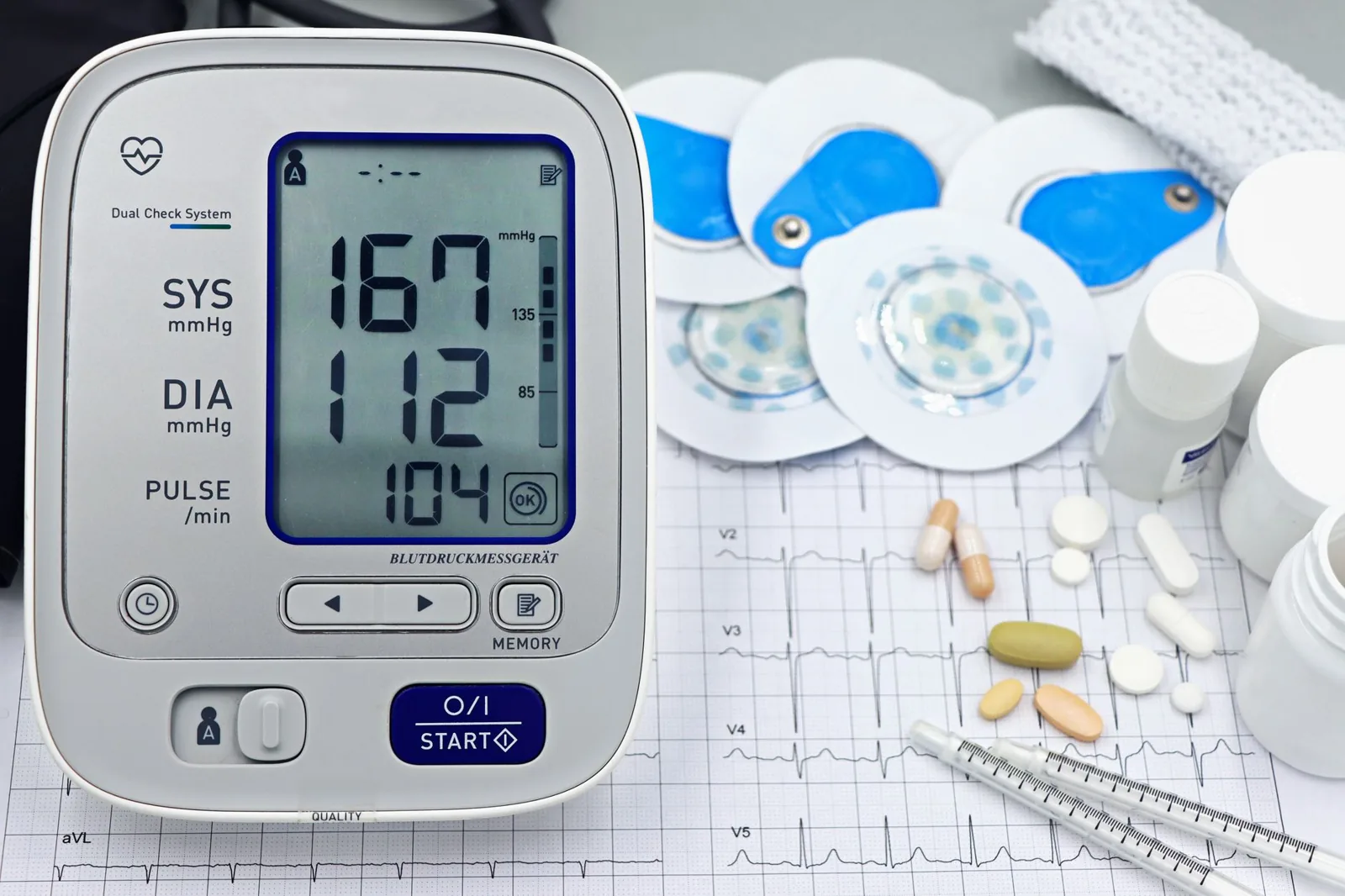
Not every “covered” hypertension is covered equally. When you compare plans, look for these pieces rather than just the headline price:
- Emergency medical expenses with a high limit. A $50,000 minimum is reasonable; $100,000 or more is better for destinations with expensive private hospitals, such as the United States, Japan, or Singapore.
- Emergency medical evacuation, ideally $250,000 to $500,000, because a helicopter transfer or a medically staffed flight across an ocean can wipe out savings in a day.
- A pre-existing conditions waiver, so hypertension is not silently excluded.
- Trip cancellation and interruption tied to a covered medical reason, in case a doctor grounds you before departure or your condition flares mid-trip.
- Medication replacement and lost prescription assistance, which is genuinely useful if your luggage goes missing with your pills inside.
- 24/7 assistance line that can route you to a hospital and help with a translator or a pharmacy.
If you have hypertension plus diabetes, the risk profile changes, so read the fine print differently than a healthy traveler would. The same logic applies if you have been diagnosed with heart disease — coverage gets more nuanced the more conditions you carry, which is why a single blanket policy is a bad idea.
What Travel Insurance for High Blood Pressure Costs
Here is the honest answer travelers rarely find in a price table: if your hypertension is stable and managed, in many cases the cost is the same as a policy for someone with no pre-existing conditions at all. The surcharges, when they appear, come from age, trip cost, and destination — not from the pill bottle in your bag.
As a rough guide, a comprehensive single-trip policy for a healthy adult typically runs 4% to 8% of total trip cost. A traveler with stable, disclosed hypertension often falls in the same band, with occasional plans pricing 10% to 20% higher when a manual underwriter is involved. A 60-year-old taking three blood pressure medications might pay slightly more than a 40-year-old taking one.
The table below compares how two common scenarios usually play out with a mid-range provider covering a $3,000, one-week trip.
| Factor | Stable, Well-Controlled | Recent Change or Hospitalization |
|---|---|---|
| Waiver for pre-existing conditions | Usually available | Often excluded or declined |
| Typical price range (one week) | $120–$180 | $150–$260, if offered |
| Medical records required | Rarely | Sometimes |
| Hypertension-related emergency covered | Yes, with waiver | Often no |
| Best move | Buy a standard plan with waiver | Use a specialist broker |

How to Get Better Rates Without Skipping Coverage
A few practical moves keep the price down without leaving you exposed:
- Buy early. A waiver that requires you to be stable in the days before purchase gets harder to qualify for as your departure date and stress levels approach. Buying soon after your first trip deposit also locks in cancellation coverage longer.
- Compare on a broker site. Aggregators let you see the same health answer priced across multiple carriers side by side.
- Declare everything, then screen for the waiver. Some travelers hide hypertension to get a cheaper quote. That backfires: an undisclosed condition is grounds for a denied claim, and the savings are often zero anyway when the condition is stable.
- Consider an annual plan if you travel often. Frequent flyers can sometimes get better value than single-trip versus annual travel insurance pricing suggests.
For related research, our guides on travel insurance for heart conditions and travel insurance for diabetics walk through how additional diagnoses change the picture.
Questions to Ask Before You Buy
Run through these before you confirm any purchase:
- Is hypertension covered automatically, or do I need to select a pre-existing conditions waiver?
- What exactly is the lookback period, and how is “stable” defined?
- What are the emergency medical and evacuation limits?
- Does cancellation cover a hypertension-related reason if my doctor says not to travel?
- Does the plan replace lost medication, and how fast?
- If I am on a cruise, does the policy include medical treatment on board and evacuation from a ship?
Frequently Asked Questions
Will my high blood pressure be automatically excluded from travel insurance?
No. If your condition is stable and controlled within the policy’s lookback window, most insurers cover it rather than excluding it. Exclusions typically apply only when there has been a recent diagnosis change, hospitalization, or medication adjustment.
Do I need a doctor’s note to buy travel insurance for high blood pressure?
Usually not. The standard process is a self-certified health questionnaire. A doctor’s letter is mainly useful when you have a complicated history or a higher-risk profile and want a specialist underwriter to reconsider a rate or exclusion.
Is travel insurance more expensive if I have high blood pressure?
Often it is not, provided your condition is well managed. When surcharges do appear, they are usually modest relative to the cost of a single uncovered medical emergency abroad.
What happens if I don’t declare my high blood pressure?
You risk a denied claim. Insurers can request medical records after an incident, and an undisclosed diagnosis that relates to the claim is a common reason for refusal. The honest declaration rarely costs what travelers fear.
Does travel insurance cover a heart attack linked to high blood pressure?
If hypertension is covered under the policy (including through a pre-existing conditions waiver), a related cardiac emergency is generally covered up to the policy’s medical limits. Without the waiver, claims traced to the undisclosed or excluded condition are typically denied.
The Bottom Line
Travel insurance for high blood pressure is easier to get than most people assume. If your condition is stable and honestly disclosed, you can usually buy a comprehensive policy at a near-standard price and travel with real protection against a medical bill, an evacuation, or a canceled trip.
The discipline is in the buying, not the bag-packing: answer the health questions accurately, confirm the pre-existing conditions waiver is in place, and check the emergency and evacuation limits. Do that, and the only thing you will be monitoring on the road is your step count. For current pricing and provider options, a good place to start is a comparison of plans on a site like NerdWallet’s travel insurance hub, which keeps an up-to-date list of top-rated providers and explains how pre-existing conditions are handled.