Boutique Hotel vs Resort: Which Stay Fits Your Trip?
The boutique hotel vs resort question comes up on nearly every trip I plan that doesn’t involve a quick overnight near an airport. Both options sell sleep, a bed, and a place to leave your suitcase, but they are built for entirely different kinds of travel. A boutique hotel is, at its core, a small, design-driven property with a point of view. A resort is a self-contained destination that wants you to never leave the property. Choosing the wrong one can quietly shape your whole vacation, so the decision deserves a few minutes of thought before you book.
In rough terms, a boutique hotel usually runs 10 to 100 rooms, leans on interior design and a local neighborhood, and offers a more personal kind of service. A resort can run anywhere from 200 to 1,000-plus rooms, packages meals and activities on-site, and aims to give you a place where the pool, beach, spa, and restaurants are all a short walk from each other. The right answer depends on the trip you actually have, not on which one sounds fancier.
Here’s a full breakdown of the boutique hotel vs resort trade-off — what each does well, what it costs, and how to pick the one that matches your itinerary.
What Is a Boutique Hotel, Exactly?
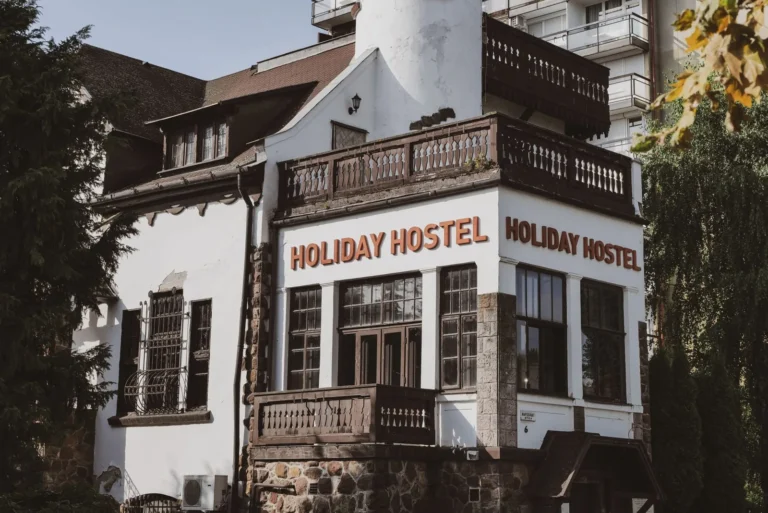
A boutique hotel is defined more by size and personality than by any official star rating. Most travelers and hotel experts agree on a few common traits: a small room count, a distinctive design aesthetic, and service that feels more like a staff that knows you than a corporation that processes you.
The term became common in the 1980s, often credited to properties like New York’s Morgans Hotel and London’s Blakes, which traded standardized chain rooms for individually decorated spaces. Today you’ll find boutique hotels everywhere from Austin’s South Congress to Lisbon’s Alfama district, and they tend to cluster in walkable neighborhoods rather than beachfront or convention zones.
Core characteristics of a boutique hotel:
- Small footprint — typically 10 to 100 rooms, which keeps noise and crowds down.
- Design focus — a clear aesthetic, often tied to the building’s history or the local culture.
- Local flavor — menus, artwork, and even staff recommendations reflect the neighborhood.
- Personal service — fewer guests mean front-desk staff can remember your name and your room preferences.
- Walkable location — usually in a city center or a trendy district, not on a sprawling campus.
The trade-off is space and amenities. A boutique hotel rarely has a huge pool, a golf course, or a kids’ club. What it offers instead is character and proximity. If your trip is about exploring a city, that’s often a fair swap.
What Is a Resort?
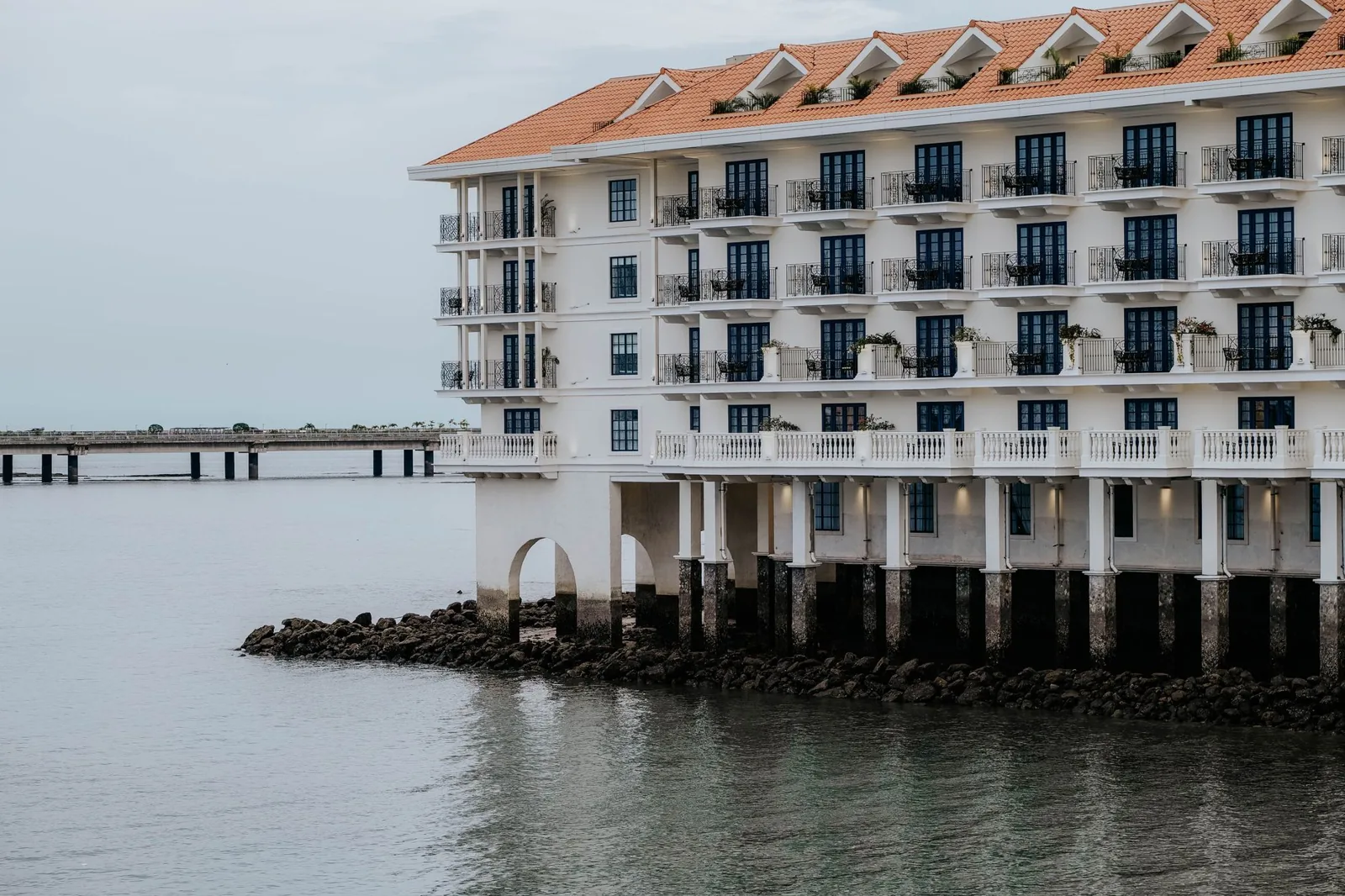
A resort is designed around the idea that the property is the trip. It’s a full-service destination with enough food, drink, activities, and relaxation to fill a week without you ever touching your car keys or calling a ride-share. Resorts come in many forms: beach resorts in Cancun and the Maldives, mountain resorts in Aspen and Whistler, and all-inclusive resorts where meals and drinks are wrapped into one price.
When people say “resort,” they usually picture a large property, but the defining feature is scope, not square footage. A resort bundles what a hotel offers separately.
What you can typically expect at a resort:
- Multiple restaurants and bars — often three to a dozen or more dining options on-site.
- Pools, beaches, or slopes — depending on the setting, plus watersports or ski access steps away.
- Spa and fitness — full-service spas, gyms, and sometimes wellness programming.
- Kids’ clubs and activities — supervised programs, games, and evening entertainment.
- On-site excursions desk — snorkeling trips, tours, and equipment rental booked through the resort.
Resorts also lean heavily on packages. All-inclusive rates, honeymoon packages, and family bundles are standard, which is why resort pricing can look higher at first glance but often covers far more than the room.

Boutique Hotel vs Resort: Key Differences
The gap between these two comes down to a few practical factors you’ll feel on the ground, not in the brochure. Here’s how they compare on the things that matter most while you’re actually traveling.
| Factor | Boutique Hotel | Resort |
|---|---|---|
| Room count | 10–100 rooms | 200–1,000+ rooms |
| Primary appeal | Design, local culture, personal service | Amenities, activities, all-in-one convenience |
| Dining | 1–2 on-site options, heavy on local restaurants nearby | Multiple restaurants, bars, and buffet options on-site |
| Location | City centers and walkable districts | Beaches, mountains, or landscaped campuses |
| Service style | Personalized, front-desk staff | Standardized, more staff but less personal |
| Typical nightly rate (US) | $150–$450 | $250–$900 (often all-inclusive) |
| Best for | City breaks, couples, food-focused trips | Family vacations, honeymoons, beach or ski trips |
The most consequential difference is rarely discussed: what happens after 9 p.m. A boutique hotel in a city like Barcelona or New Orleans puts you within walking distance of late dinners, bars, and live music. A resort, by contrast, is often deliberately remote, and your evening options are capped at whatever the property operates that night.
Price Differences
Resort sticker prices are higher, but the comparison is misleading if you only look at the room rate. A $600-a-night all-inclusive resort might cover your food, drinks, and activities, while a $250 boutique hotel room leaves you paying for dinner, cocktails, and transport out of pocket. Here’s a rough, real-world comparison for a couple on a typical day:
- Boutique hotel: $250 room + $120 dinner for two + $40 drinks + $30 transport = roughly $440 per day.
- All-inclusive resort: $600 per night covering meals, drinks, and most activities = roughly $600 per day.
The resort costs more in total, but it also removes a dozen small decisions. If you value a fixed budget and zero planning, that premium may be worth it. If you want to eat where locals eat, the boutique hotel is the cheaper and better experience. For a deeper look at how room rates stack up, our guide to booking a hotel direct vs third-party breaks down where the best base rates actually live.
How to Choose: Match the Property to Your Trip
The best way to settle the boutique hotel vs resort debate is to start with your itinerary, not the property. Ask yourself one question: is the destination the point, or is the hotel the point?
Choose a boutique hotel when
- You’re visiting a city and plan to be out exploring all day.
- You want to eat at local restaurants rather than hotel buffets.
- You’re traveling as a couple or solo and don’t need kids’ programming.
- You care about design, history, and a sense of place over square footage.
Choose a resort when
- You’re traveling with kids who need pools, clubs, and scheduled activities.
- You want an all-inclusive fixed price and don’t want to track a food bill.
- Your trip is a beach, ski, or wellness getaway built around the property.
- You’d rather stay put than plan daily logistics and transport.
There’s a middle path, too. Some resort areas now include a handful of small, design-focused properties that blend the two — think a 40-room boutique beach hotel with a great pool and one excellent restaurant. If you want resort amenities without the resort scale, look for properties marketed as “boutique resorts” and read recent reviews carefully.

Hidden Costs and Fine Print to Watch
Whatever you book, both property types have traps buried in the fine print. Knowing them ahead of time saves more money than any discount code.
Resort fees and service charges. Many resorts, especially in the US, tack on a daily “resort fee” of $30 to $60 that isn’t shown in the headline rate. All-inclusive properties often add mandatory service charges or gratuities, and some pricey meals and premium liquor still cost extra.
Parking and transport. Resorts often charge for parking and are far from public transit. Boutique hotels in downtown areas may charge $40 to $60 a night for valet, which can erase the savings from a lower room rate.
Activity upcharges. At a resort, the “free” beach is free, but jet skis, spa treatments, and some restaurants will cost extra. At a boutique hotel, the hidden cost is usually the temptation of a spendy neighborhood — great restaurants nearby mean a bigger dinner bill if you’re not careful.
For a specific look at one common resort hook, see our explainer on what a hotel resort credit actually covers before you treat a credit as cash.
Boutique Hotel and Resort Loyalty and Booking Strategy
Both property types interact differently with loyalty programs and booking channels, and it’s worth planning the strategy separately.
Boutique hotels are frequently independent, which means they don’t earn points in the big chain programs at all. Many join soft brands or collectives — such as Small Luxury Hotels of the World or Design Hotels — that pair with a major program, but earning and redeeming is less predictable. If status and points matter to you, matching your hotel status across programs can open doors at properties that would otherwise earn nothing.
Resorts, by contrast, are usually part of large chains — Marriott, Hilton, Hyatt, IHG — or dominant all-inclusive brands like Sandals and Club Med. That makes elite status, free nights, and points redemptions a real lever here. A resort stay booked on points can be the single best redemption value in travel, often beating boutique city hotels on cents-per-point.
Frequently Asked Questions
Is a boutique hotel more expensive than a resort?
Not usually, on a per-night room basis. A boutique hotel typically runs $150 to $450 per night, while a resort commonly starts around $250 and can top $900. But resorts bundle meals and activities, so your total daily spend can actually be lower at an all-inclusive resort than at a boutique hotel plus city dining.
Is a resort better for families than a boutique hotel?
Almost always, yes. Resorts offer kids’ clubs, multiple pools, casual dining, and room layouts built for families — chief among them suites and connecting rooms. A boutique hotel tends to be quieter, smaller, and better suited to couples and adults.
Can a property be both a boutique hotel and a resort?
Yes. “Boutique resort” is a real category, usually describing a smaller, design-forward property in a beach or mountain setting that offers resort-style amenities like a pool, spa, and on-site dining without the thousand-room scale.
Do boutique hotels have fewer amenities?
Generally, yes. You’ll rarely find a full spa, golf course, or kids’ club at a boutique hotel. What you get instead is a strong restaurant, a rooftop bar or small pool, and a location that puts city amenities right outside the door.
Which is better for a honeymoon?
It depends on the couple. If you want relaxation, pampering, and a fixed all-inclusive price, a resort wins. If you’d rather eat at local spots and explore a city together, a boutique hotel offers more character and romance per square foot.
The Bottom Line
The boutique hotel vs resort decision isn’t really about better or worse — it’s about what the trip is for. A boutique hotel wins when the city or neighborhood is the main event and you want character, walkability, and service that remembers you. A resort wins when the property is the vacation: family trips, beach and ski getaways, and any itinerary built around pools, spas, and all-inclusive pricing.
Before you commit, run the numbers honestly. Factor resort fees, parking, and daily dining into both options, not just the headline room rate. You can dig into the booking mechanics with our guides on reserving hotels directly rather than through a third party and navigating all-inclusive adult-only cancellation policies if those apply to your trip.
Whichever you choose, the goal is the same: pick the property that makes the trip you planned easier, not the one with the most impressive lobby photo. For further reading on resort and all-inclusive comparisons, check out The Points Guy’s resort guides and NerdWallet’s hotel cost breakdowns, both of which keep updated rate data worth a glance before booking.