
Family Suite Hotel Cost: Real Prices and How to Save
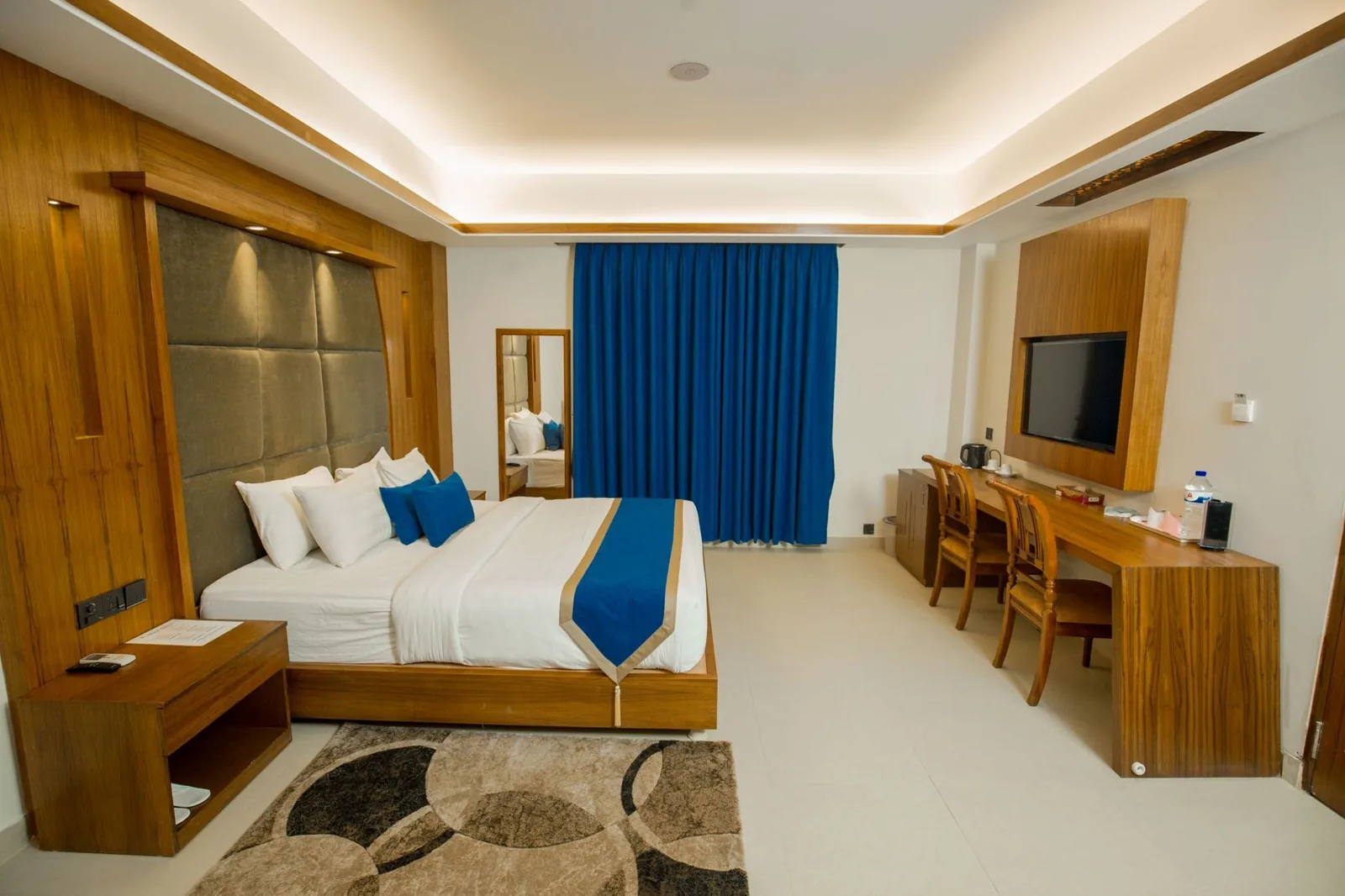
If you have ever tried to book one standard hotel room for two adults and three kids, you already know the problem: a single queen or double-queen room rarely fits a family of five without someone sleeping on a rollaway or a pullout couch that sags in the middle. Family suite hotel cost is the real question behind every “where should we stay” debate on a trip with kids. In 2025, expect to pay anywhere from $140 to $450 a night for a true family suite at a mainstream chain, and well past $800 a night for a one-bedroom suite at a resort hotel in peak season.
The good news is that a suite is often cheaper than booking two connecting rooms, and it nearly always means more space, a real door between sleeping areas, and sometimes a small kitchen. The bad news is that the “suite” label is thrown around loosely, and the total price on the confirmation page can drift far from the nightly rate you clicked on.
This guide breaks down what a family suite actually costs at different hotel tiers, what extra fees ride on top of the base rate, and the tactics that cut the price without giving up the door that closes between you and the kids.
What Drives Family Suite Hotel Cost
The single biggest factor in family suite hotel cost is the hotel class. A suite at a Comfort Suites or a Fairfield Inn & Suites is a very different product from a suite at a Four Seasons residence or a Disney resort villa, and the price gap between them is often 5x or more.
Location is the second driver. The same two-room suite that costs $180 a night in suburban Dallas or Columbus can cost $420 a night near a beach, a ski lift, or a theme park gate in July or over the holiday break. Seasonality hits family suites harder than standard rooms because families travel on the same schedule — school breaks, summer, and the week between Christmas and New Year’s.
Two more things quietly move the price. Room type naming (a “studio suite” is often just a bigger standard room with a couch) and the length of stay (longer stays at suite-style brands frequently reveal a lower nightly rate). The table below lays out typical price bands so you can anchor your search.
| Factor | Budget / Midscale Suites | Full-Service & Resort Suites |
|---|---|---|
| Typical nightly rate | $140 – $300 | $350 – $900+ |
| Space per suite | 350 – 550 sq ft, open studio layout | 600 – 1,200+ sq ft, separate bedroom |
| Kitchen | Microwave + mini-fridge only | Full or partial kitchen in many units |
| Sleeps | 4 – 6 (pullout sofa) | 6 – 8 (multiple beds + sofa) |
| Best time to book | Any season, weekends cheap | Shoulder season, Sunday–Thursday |
What Families Actually Pay by Hotel Tier
Prices below reflect midweek, average-season rates for a family of four or five, pulled from typical 2025 booking patterns across US markets. Weekend and peak-season rates run 20% to 60% higher.
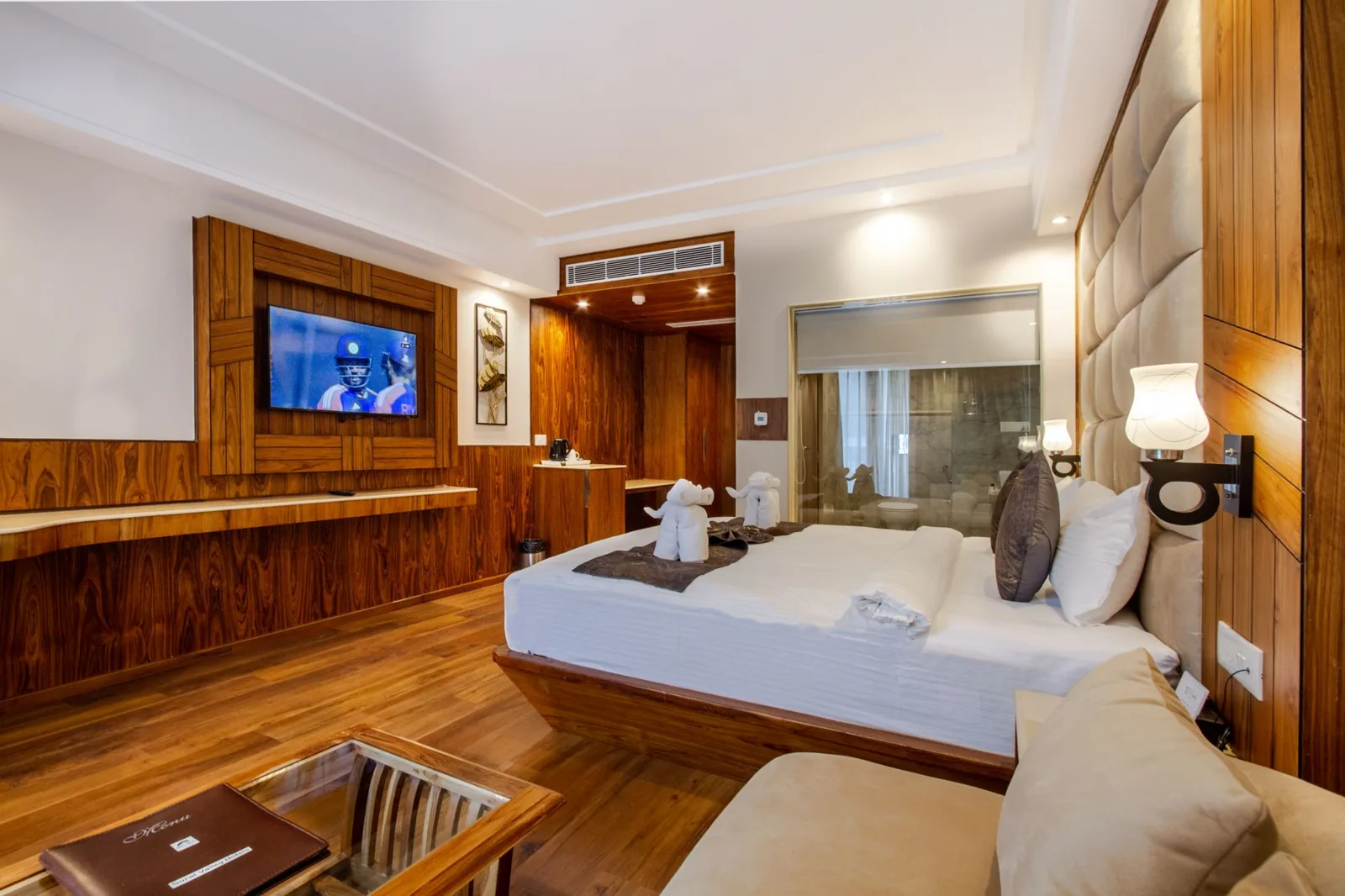
Budget and midscale suites ($140–$250). Brands like Comfort Suites, La Quinta by Wyndham, Home2 Suites by Hilton, and Candlewood Suites sit in this range in most cities. You get roughly 400 square feet, a mini-fridge and microwave, and a sleeper sofa in the same room as the bed. Nothing separates the sleeping areas, so treat these as “bigger room” rather than “two rooms.”
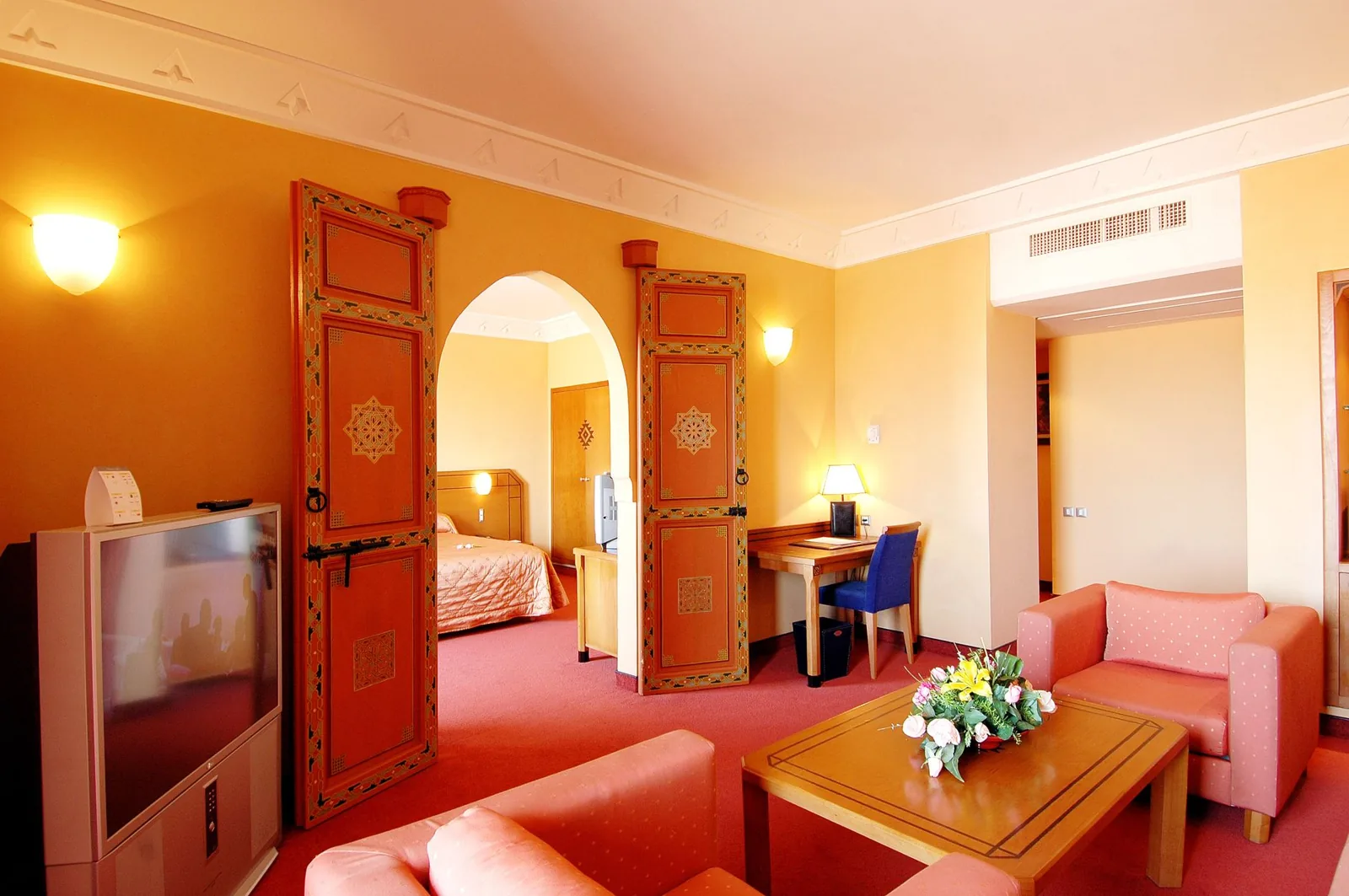
Upper-midscale and extended stay ($220–$380). Homewood Suites, Residence Inn, SpringHill Suites, and Staybridge Suites typically deliver a true one-bedroom layout here: a queen bed and bathroom in a bedroom that closes off from a living area with a full or partial kitchen. This is the sweet spot for families. A full kitchen means breakfast and a few dinners in the room, which quietly saves $60 to $100 a day on food.
Full-service and resort suites ($400–$900+). Embassy Suites, Hyatt’s family-focused properties, and the big resort brands (Hyatt Ziva, Beaches, Marriott’s vacation club villas, Disney’s Deluxe Villas) land here. You are paying for the location, pools, kids’ clubs, and separation of space. A Disney Deluxe Villa studio often starts around $450 to $550 a night in the off-season and blows past $900 during school holidays.
Luxury connecting rooms vs. suites ($700–$1,500). At high-end city hotels, a “family suite” often does not exist, so you book two connecting rooms. Two standard rooms at a Ritz-Carlton or Park Hyatt can cost as much as or more than a suite at a midrange resort, which is why many families downgrade the brand to keep a suite layout.
Hidden Fees That Inflate the Final Price
The nightly rate is not what you pay at checkout. Resort fees are the biggest offender: a $25 to $60 daily “resort fee” is routine at suite-heavy resorts in Orlando, Las Vegas, Miami, and Hawaii, and it is tacked on for everything from “pool access” to “Wi-Fi” you never chose. Parking runs $20 to $65 a night at urban and resort properties. Breakfast, included at many suite brands, is a $15 to $30 per-person add-on at full-service hotels, which adds up fast for a family of five.
Taxes do the rest. Lodging tax, city tax, and tourism-assessed fees can add 12% to 18% on top of the room plus resort fee in cities like New York, San Francisco, and Chicago. Before you book, always look at the line-item total for two nights — not the headline rate — and compare that figure across two or three properties. That habit alone routinely saves $80 to $200 on a weekend trip.
How to Lower Family Suite Hotel Cost
You do not need to be a points expert to cut the price of a family suite. A handful of concrete moves shave 10% to 40% off the total.
Travel in the shoulder season. The week after New Year’s, the weeks between spring break and Memorial Day, and September through early November are the cheapest windows for family travel. The same Orlando suite that runs $499 in July often drops to $220 in late August once school resumes in most districts.
Book direct and ask for a longer-stay rate. Suite brands quietly price a four-night stay below four separate one-night bookings, and front-desk agents can usually apply that rate if you call. Booking direct also puts you first in line for free upgrades. We break down the tradeoffs of bypassing third-party sites in our guide to booking hotels direct versus third party.
Use status and matching. Even a no-fee hotel credit card or an entry-level loyalty tier gets you late checkout, which matters when a toddler needs a nap. If you hold status with one chain, several programs will match it, and matched status often brings complimentary suite upgrades at check-in. See our hotel status match explainer for the fastest paths.
Use last-minute apps for weekend getaways. When your schedule is loose, same-day and next-day booking apps move unsold suites at steep discounts — particularly for Friday and Saturday nights in business-district hotels that empty out on weekends. Our roundup of last-minute hotel booking apps covers which ones actually show inventory that other sites hide.
Go bigger on one room-length metric: square feet per dollar. When two suites cost the same, pick the one with a separate bedroom over the one with a fancier lobby. A closing door is worth far more to a family’s sleep than a rooftop bar.
Cheapest US Cities for a Family Suite
If the destination is flexible, these markets consistently deliver the most suite space for the least money in 2025: Columbus, Ohio; Kansas City; Oklahoma City; San Antonio; Indianapolis; and Omaha. In these cities, a true one-bedroom Homewood Suites or Residence Inn unit with a full kitchen frequently books between $130 and $210 a night, even on summer weekends. Add family amenities that are cheap or free — the San Antonio River Walk, the Indianapolis Children’s Museum, the Columbus Zoo — and the total trip cost drops well below a comparable stay on either coast.
By contrast, expect to pay a premium in New York, San Francisco, Honolulu, Miami Beach, and Orlando during peak weeks, where family suite hotel cost easily doubles the national average. If one of those cities is locked in, the savings levers above matter more, not less.
Frequently Asked Questions
How much does a family suite cost per night?
A true family suite at a mainstream chain runs about $150 to $450 a night in the US, depending on season and city. Resort suites with separate bedrooms and kitchens start around $400 and climb past $900 during school holidays. Two connecting standard rooms at a luxury hotel can exceed $1,000 a night.
What is the difference between a suite and a family room?
A “family room” is usually a single larger room with multiple beds, often two queens and a pullout. A “suite” has separated living and sleeping space and, in one-bedroom suites, a door between them. Suites more often include a kitchenette or full kitchen, which lowers your food spend.
Is a family suite cheaper than two hotel rooms?
Usually, yes. Two connecting midscale rooms often total $220 to $400 a night, while one suite that sleeps five costs $180 to $350 — plus one suite means one resort fee instead of two. The exception is luxury properties, where a suite can cost more than two connecting rooms.
When is the cheapest time to book a family suite?
Book 30 to 60 days out for shoulder-season travel, and aim for Sunday-through-Thursday stays. The cheapest travel windows are late August through early November and the weeks immediately after New Year’s. Avoid booking within seven days of a holiday weekend.
Do resort fees apply to family suites?
Yes, and they are charged per room per night. A $35 resort fee on a five-night stay adds $175 before taxes. Always ask for the all-in nightly total — room plus fees plus parking — before comparing two hotels, since a lower base rate often hides a higher resort fee.
The Bottom Line
Family suite hotel cost is not one number; it is a range that runs from about $140 a night in the right city to well past $900 a night at a peak-season resort. The single most useful question to ask is not “how much is the room” but “how much is two nights, all in.” That figure — room, resort fee, parking, and taxes — is the real price, and it is often the one that swings the decision between two hotels that look identical on a search results page.
The cheapest reliable path is a one-bedroom suite at an extended-stay or upper-midscale brand, booked direct in the shoulder season, at a chain where you hold status worth matching. For a deeper look at how booking channels change what you pay, start with our guide to booking hotels direct versus third-party sites, and if your weekends are flexible, check the best last-minute hotel booking apps. For the benchmark data behind these ranges, NerdWallet’s hotel pricing coverage and The Points Guy’s suite-booking guides both publish regularly updated figures.
Book the door that closes. Sleep is the part of a family trip you cannot buy back later.