Airline Alliance Comparison: Star Alliance vs Oneworld vs SkyTeam
Most travelers book a flight without thinking twice about which airline group their ticket belongs to. That is a mistake. The team an airline plays for — its alliance — quietly controls whether your miles transfer, whether your status is honored on a connecting flight, and whether you blow an hour in a crowded terminal instead of a lounge with a hot shower.
This airline alliance comparison breaks down the big three global groups: Star Alliance, Oneworld, and SkyTeam. Each one bundles dozens of carriers into a shared loyalty and route network, and each one is better for a different kind of traveler. By the end, you will know which alliance you already fly with — and whether you should start booking toward a different one.
What an Airline Alliance Actually Does
An alliance is a partnership, not a merger. Member airlines stay independent, keep their own branding, pricing, and frequent flyer programs, but agree to coordinate in three ways: shared routes and codeshares, reciprocal frequent flyer recognition, and coordinated airport facilities. That coordination is what makes the alliance worth caring about.
The practical payoff for you: you can fly United from Chicago to Frankfurt, connect on Lufthansa to Berlin, earn miles into one United MileagePlus account on both legs, and use your United elite status to get priority boarding and lounge access on the Lufthansa flight. Without the alliance, that itinerary is a pile of unconnected tickets with zero shared benefits.
All three major alliances offer a similar baseline of reciprocal perks — lounge access for elites, priority check-in, extra baggage allowance, and the ability to earn and burn miles across partners. The differences are in scale, geographic strength, and exactly how generous their middle status tiers are.
The Big Three: A Quick Airline Alliance Comparison
Three alliances control the vast majority of international long-haul flying. Here is the at-a-glance airline alliance comparison.
| Factor | Star Alliance | Oneworld | SkyTeam |
|---|---|---|---|
| Founded | 1997 | 1999 | 2000 |
| Member airlines | 26 | 13 | 19 |
| Destinations served | ~1,300 airports | ~900 destinations | ~1,000+ destinations |
| US anchor carriers | United, plus Air Canada | American, Alaska | Delta |
| Elite tiers | Silver, Gold | Ruby, Sapphire, Emerald | Elite, Elite Plus |
| Signature hubs | Frankfurt, Istanbul, Singapore | London, Doha, Hong Kong | Paris, Amsterdam, Seoul |
The numbers above matter, but they only tell half the story. A SkyTeam traveler dropped in the middle of Asia is not going to have the same experience as a Star Alliance traveler, and that has nothing to do with how many destinations each group advertises.

Star Alliance: The Biggest Network on Earth
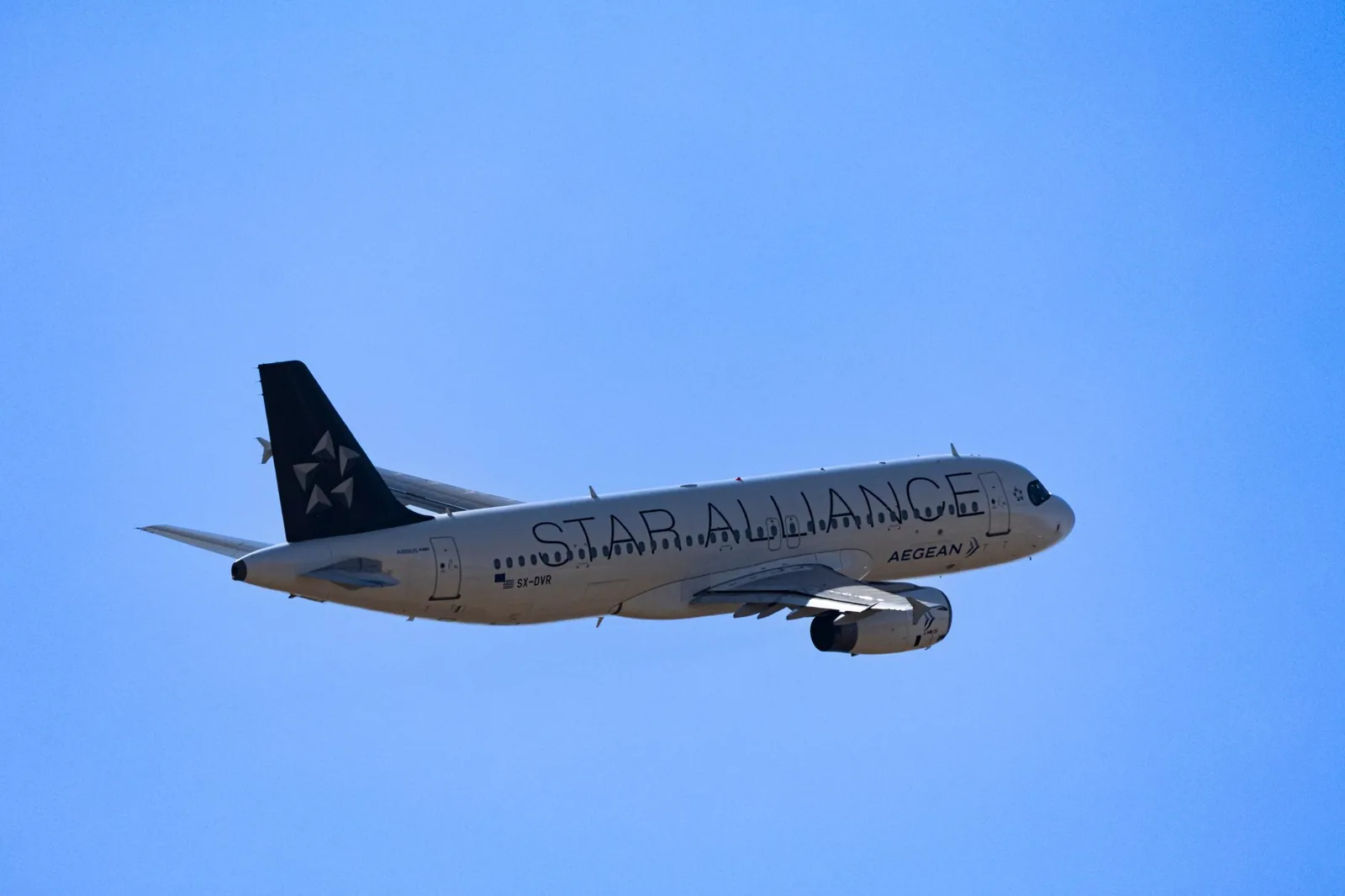
Star Alliance is the oldest and largest of the three, launched in 1997 by five founding carriers and now counting 26 members. If your instinct is to book whichever airline flies the most places, Star Alliance wins: its network reaches more airports than any competitor, with particular strength in Europe, North America, and Southeast Asia.
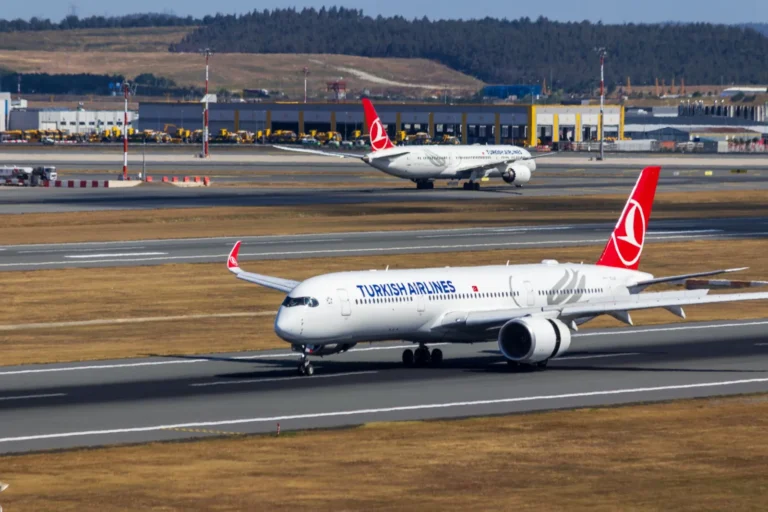
The anchor carriers tell you a lot. United and Air Canada cover North America. Lufthansa, Swiss, Austrian, Scandinavian Airlines (SAS), and TAP Air Portugal anchor Europe. All Nippon Airways (ANA), Singapore Airlines, Thai Airways, and Air New Zealand cover Asia-Pacific. Turkish Airlines operates one of the most aggressive long-haul networks on the planet out of Istanbul, and it has become the alliance’s quiet secret weapon for award availability and cheap connection fares.
Star Alliance Status Tiers and Perks
Star Alliance runs two elite levels. Silver status on any member airline gets you priority waitlisting and reservations, but the real benefits start at Gold. Gold status grants lounge access worldwide, priority check-in, priority boarding, extra baggage allowance, and priority baggage handling — on every member airline, regardless of who you booked with.
Gold status through United MileagePlus, Lufthansa Miles & More, or Air Canada Aeroplan is genuinely usable. The catch is earning it: most programs require a meaningful amount of flying or credit card spend, and the hardest thing about Star Alliance is that its best program for your situation depends entirely on where you are based.
Oneworld: Smaller, But Built Around Premium Hubs
Oneworld is the smallest of the three at 13 member airlines, which sounds like a weakness and is actually its selling point. Fewer members means less redundancy, and the carriers it does have — American Airlines, British Airways, Cathay Pacific, Qantas, Qatar Airways, Japan Airlines, and Alaska Airlines — include several of the world’s most consistently well-reviewed premium airlines.
Oneworld’s geography is deliberate. It dominates the profitable corridors between North America, Europe, the Middle East, and Australia. Doha (Qatar Airways), London Heathrow (British Airways), and Hong Kong (Cathay Pacific) are three of the most important interchange points on the planet, and Doha in particular has become a genuine contender for the best connection hub in the world.
Oneworld Status Tiers and Perks
Oneworld runs three elite tiers instead of two. Ruby gets you priority check-in, priority boarding, and reserved seating on most members. Sapphire adds business-class lounge access, even on economy tickets. Emerald adds first-class lounge access and fast-track security lanes at many airports.
That middle Sapphire tier is the reason many frequent flyers prefer Oneworld. On Star Alliance, you are either Silver (little of value) or Gold (everything). On Oneworld, hitting Sapphire with American AAdvantage or Alaska Mileage Plan MBC gets you into lounges — a real, tangible benefit that is easier to reach than top status elsewhere. If you fly enough to want a lounge but not enough to want to grind for top tier, Oneworld’s structure is the friendliest.
SkyTeam: The Coverage-and-Price Play
SkyTeam, founded in 2000, is anchored by Delta Air Lines, Air France, KLM, and Korean Air, with 19 members all told. Its reputation has historically been the weakest of the three for elite recognition — SkyTeam has a reputation for “Elite” status that exists more on paper than in practice — but it quietly offers the best coverage in Europe and parts of Africa and Latin America through Air France and KLM’s enormous hub networks in Paris and Amsterdam.
SkyTeam changed significantly in 2024 when SAS left Star Alliance after more than two decades and joined SkyTeam, strengthening the group’s grip on Scandinavia. Delta’s massive US network, plus Air France-KLM’s European coverage, makes SkyTeam the default choice for many transatlantic travelers on both ends of the ocean.
SkyTeam Status Tiers and Perks
SkyTeam runs two tiers: Elite and Elite Plus. The honest take is that SkyTeam Elite is the weakest entry-level status of the three alliances — it does not guarantee lounge access, which is the single most valued elite perk. Elite Plus is where the real value is, granting lounge access, priority everything, and extra baggage, but it is harder to earn than the equivalent middle tier on Oneworld.
For the occasional business traveler, this is SkyTeam’s weak spot. For a Delta loyalist who already holds SkyMiles Medallion status, none of it matters — and Delta’s program is famously easy to juice with co-branded credit cards if your spending is high.
How to Pick: An Airline Alliance Comparison by Traveler Type
The right alliance depends on your home airport, your destination mix, and how much you spend with one airline versus spreading it around.
- Choose Star Alliance if you value raw network coverage above all, fly through Europe or Southeast Asia often, or want status that is honored almost anywhere in the world.
- Choose Oneworld if you fly across the Atlantic and out to the Middle East or Australia, value premium products like Qatar’s Qsuite, or want lounge access without grinding for top-tier status.
- Choose SkyTeam if you are Delta-based, fly frequently to continental Europe or Latin America, or simply want the most affordable transatlantic fares and do not care much about elite perks.
The practical advice from anyone who tracks loyalty programs seriously is this: pick one alliance and stay in it. Your status resets every year, and splitting your flying between United, American, and Delta means you will be nobody’s elite forever. The Points Guy publishes detailed guides on earning elite status in each alliance’s programs, and their advice on choosing a program based on your home airport is worth reading before you commit.
The Airports and Lounges That Actually Matter
Lounges are the most visible alliance benefit, and the gap between alliances is real. Star Alliance operates branded lounges at major hubs, and its Gold members get access to well over 1,000 lounges worldwide. Oneworld’s premium carriers — Qatar Airways and Cathay Pacific — operate some of the best business-class lounges in the world in Doha and Hong Kong, which its Sapphire and Emerald members can access. SkyTeam’s lounge access is fine but generally ranks third, held back by the weak Elite tier.
If a lounge is your priority, read our piece on how much airport lounge access actually costs to compare whether elite status or a lounge membership like Priority Pass gives you more for your money.
Round-the-World Fares and Credit Cards
Alliance membership also reveal two side benefits most travelers never consider. First, round-the-world fares: all three alliances sell multi-continent itineraries priced as a single ticket, and Oneworld and Star Alliance have the most flexible versions. Second, credit card transferable points: Chase’s Ultimate Rewards transfer to both United (Star Alliance) and British Airways (Oneworld), Amex Membership Rewards transfer to ANA and Air France-KLM, and Capital One transfers to several programs across all three alliances. That flexibility is why a points-based comparison of economy and premium economy differences matters when you frame the whole trip around where your transfers land.
Before you book multi-leg international travel, it is worth understanding the difference between a stopover and a layover, because alliance fares let you engineer deliberate stopovers that turn a one-city trip into two.
Frequently Asked Questions
Which is the largest airline alliance?
Star Alliance is the largest, with 26 member airlines serving roughly 1,300 airports. Oneworld has 13 members and SkyTeam has 19.
Do I earn miles on partner airlines within the same alliance?
Yes. Booking a United flight and crediting the miles to Lufthansa Miles & More works because both are in Star Alliance. The same reciprocal earning applies within Oneworld and SkyTeam.
Does my elite status work on airlines outside my own?
Yes, but only within your alliance. A Star Alliance Gold member from United gets lounge access on Lufthansa, but gets nothing on American Airlines or Delta, which belong to the other two alliances.
Can I use my American Airlines miles on British Airways?
Yes, because both are Oneworld members. You can earn and redeem miles across most members of the same alliance, though redemption availability and fuel surcharges vary by program.
Should I switch airlines just for an alliance?
Only if the switch is durable. Status takes a full year to earn and resets annually, so swapping from United to Delta for a single trip is usually not worth it unless you are making a permanent change based on your home airport and route mix.
The Bottom Line
The right airline alliance comparison is less about which group is “best” and more about which one matches how and where you actually fly. Star Alliance offers the deepest network, Oneworld offers the best middle-tier status and premium carriers, and SkyTeam offers the strongest transatlantic coverage with the weakest entry-level perks. NerdWallet keeps updated comparisons of alliance airline credit cards if you plan to earn status through spend rather than flying.
Whichever you pick, commit to it. Choose the alliance anchored by the airline that already flies most of your routes, funnel every dollar and mile into its program, and let the alliance do the work of turning your scattered flights into status, lounges, and upgrades that actually stick.